Why Water Conservation Matters for Growing Texas Cities
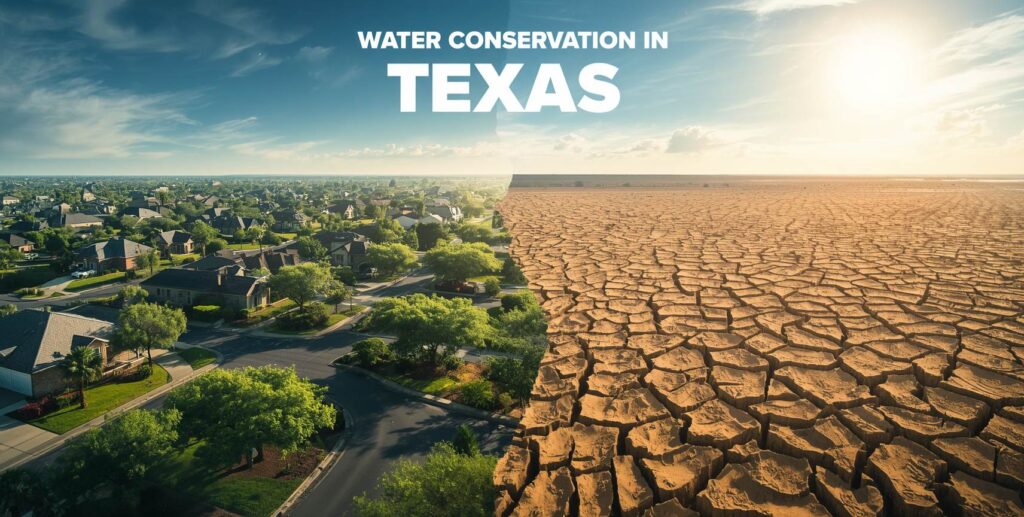
Why water conservation matters as Texas cities grow
Moving to Texas means joining a state with booming cities, big skies, and seasons that can swing from wet springs to bone-dry summers. That variability makes water planning a practical concern for anyone choosing a neighborhood, buying a home, or deciding how to landscape a yard.
“Water conservation Texas” isn’t just a slogan here — it’s a daily habit that helps keep taps running, keeps parks green, and reduces the likelihood of painful outdoor watering restrictions. For people considering a move, understanding how water is sourced and managed in cities helps you make choices that are comfortable, affordable, and sustainable.
Where urban water comes from in Texas
Surface reservoirs and rivers
Many Texas cities rely on surface water: reservoirs fed by rivers and creeks. These are visible sources—lakes behind dams, river intakes, and water treatment plants. In North and Central Texas, for example, reservoirs on local rivers supply a large portion of municipal water.
Surface sources are vulnerable to extended dry periods. That’s why even lake-rich areas can institute outdoor watering limits during droughts.
Groundwater and aquifers
Across West Texas and the Panhandle, groundwater from aquifers like the Ogallala plays a major role. Closer to San Antonio, the Edwards Aquifer is a critical supply that supports municipal users, farms, and ecosystems.
Groundwater is an essential part of the urban water supply Texas relies on, but some aquifers are being used faster than they recharge. That’s a practical reason cities layer conservation and reuse strategies into their long-term planning.
Reuse, desalination, and rain capture
More cities are turning to reclaimed water—treated wastewater—for uses like irrigation and industrial processes. Some municipalities use advanced treatment to reuse water for more demanding needs.
In places like El Paso, brackish groundwater desalination and aggressive reuse programs have bolstered local supply. Rainwater harvesting and cisterns are increasingly common on private properties, especially in new developments that encourage or allow them.
How drought planning shapes everyday life
Texas drought planning is practical and local. Municipalities maintain drought contingency plans that set staged responses based on reservoir levels, streamflow, or aquifer conditions.
Stages are typically described in plain terms: voluntary conservation, mandatory restrictions, and severe shortage measures. Each stage spells out actions like limiting lawn watering to certain days, banning spray irrigation, or shutting off nonessential outdoor water uses.
When you move to a Texas city, you’ll want to know how the city triggers those stages and what actions are expected of residents. That helps you avoid surprises—like a sudden ban on using your irrigation system during summer—or fines for noncompliance.
What city water management in Texas looks like
City water management Texas-wide includes a mix of technical and customer-focused approaches. Utilities manage supply, maintain pipes, and plan for storms and droughts. They also provide services to help customers conserve without losing comfort.
Common elements you’ll see include metering and tiered billing, which charges higher rates as use rises, and leak detection programs that proactively locate and fix water loss in the distribution system.
Many cities offer rebates for water-efficient appliances, free irrigation audits, and educational programs. Local utility websites will often list current watering rules, rebate forms, and practical how-to guides.
Practical steps to take before you move
Before you sign papers on a house in Texas, ask a few straightforward questions: Where does the city get its water? Does the utility use surface water, groundwater, or reclaimed water? Are there known restrictions or frequent drought stages?
Ask about your property’s irrigation setup. Is the system on a timer? Does it have a rain sensor or smart controller? Are there visible leaks or indicators of overwatering like moss or soil cracking? These are easy things to inspect during a showing and simple fixes that save money over time.
Check whether homeowners association rules limit drought-friendly landscaping choices such as replacing turf with native grasses or installing a rain barrel. HOAs can either make conservation easier or create hurdles, so it’s worth knowing up front.
Practical water-saving habits for your new home
Small changes add up quickly. Inside the home, replace old showerheads and faucets with WaterSense-rated fixtures. Run full loads in the dishwasher and washing machine. Shorten showers by a minute or two. These habits are low-cost and preserve comfort while reducing your water bill.
Fixing leaks is one of the most effective steps you can take. A trickle from a worn faucet or a slow toilet leak can waste hundreds of gallons each month. If your meter runs while everything in the house is off, call the utility or a plumber to investigate.
Outdoors, let native plants and drought-tolerant landscaping do the heavy lifting. Native trees and shrubs survive on infrequent deep watering once established, and they create shade that reduces cooling needs inside the home.
Swap spray irrigation for drip systems in garden beds. Drip lines deliver water directly to roots, reducing evaporation. Water early in the morning when temperatures are cooler to minimize loss to heat.
If you have a lawn, raise your mower blade a notch. Taller grass shades soil, slows evaporation, and encourages deeper roots. Consider replacing small sections of turf with a low-water alternative like gravel beds, native groundcovers, or mulch around shrubs.
Simple tools help too: a pool cover decreases evaporation, and a rain barrel or cistern can store water for irrigation during dry patches. Be sure to check local regulations—some cities have rules about rain capture and greywater use.
Low-cost upgrades that often pay back quickly
Installing a smart irrigation controller is one upgrade that often pays for itself. These devices adjust run times based on weather, season, and plant needs. Many utilities offer rebates for smart controllers, making the upfront cost more manageable.
Swap an older toilet for a low-flow model or retrofit with a dual-flush conversion. Toilets are a major indoor water use in most homes, so efficient fixtures can yield significant savings.
Consider a simple irrigation audit. Many cities offer free or low-cost audits where a technician reviews your system, points out leaks, and suggests schedule adjustments to reduce waste without harming your landscape.
Community-level approaches that make a difference
City water management Texas programs often include public education, tiered rates that encourage conservation, and infrastructure investments to reduce losses. Fixing leaky mains and replacing aging pipes reduces the amount of treated water lost before it reaches homes.
Reuse projects, from reclaimed wastewater for irrigation to large-scale potable reuse, help stretch supplies. These solutions require planning and investment, but they make municipal supplies more resilient during multi-year dry periods.
Green infrastructure—like permeable paving, bioswales, and urban trees—helps cities manage stormwater and recharge groundwater where possible. These measures also reduce urban heat islands, which indirectly reduces water demand for cooling landscapes.
Real-life observations from neighborhoods across Texas
In older neighborhoods with big trees and mature landscapes, you’ll often find homeowners using less supplemental water because established plants need less frequent irrigation. Newer suburbs with large turf lawns tend to use more water, especially if irrigation is on a rigid timer without a sensor.
Some apartment complexes and townhome developments collect and reuse water for landscaping, or they use native plantings in common areas to cut back on irrigation. These small communal choices lower costs for everyone and keep shared spaces pleasant through hot summers.
In cities that have invested in reclaimed water systems, municipal parks and sports fields often stay green even when household watering is restricted. That gives residents places to gather without putting extra pressure on drinking water supplies.
Longer-term considerations if you’re buying property
If you’re house-hunting, think about the big-ticket choices that affect water: irrigation system age, meter placement, landscaping maturity, and whether the home has a rain collection system or greywater plumbing. These factors influence ongoing costs as well as your ability to maintain a comfortable yard with less water.
Consider landscaping plans that reduce water use and maintenance. Xeriscaping principles—planning, soil improvement, zoning plants by water need, and efficient irrigation—work well in most Texas climates. A thoughtfully designed yard looks intentional and requires less fuss.
Finally, factor in local utility rates and drought histories. A higher rate structure that encourages conservation can still be financially attractive if the city also offers rebates and strong leak-detection programs.
How cities support residents who want to conserve
Many utilities know that conservation is more cost-effective than building new supply immediately. That means programs are increasingly common: rebates for high-efficiency toilets and smart controllers, free native plant guides, and community workshops on xeriscaping.
Look on a city’s water utility website for current programs and links to local nurseries that specialize in native plants. Some cities also offer financial incentives for converting turf to low-water landscaping, or cover part of the cost to install rain sensors and smart irrigation controllers.
If you run into confusion about rules or want help with a conservation project, reach out to your utility’s customer service. They can point you to resources, tell you about watering schedules, and sometimes arrange a follow-up inspection or audit.
Closing: moving forward with confidence
Water in Texas is manageable when households and cities work together. Understanding where your water comes from, how local drought planning functions, and what practical steps you can take at home puts you ahead of the curve as a new resident.
Small changes—fixing a leak, installing a smart controller, choosing drought-tolerant plants—add up to fewer headaches and lower bills. At the same time, cities are investing in infrastructure and programs that support reliable urban water supply Texas residents can depend on.
If you’re planning a move, take a few minutes to check the utility’s website, ask a few direct questions at showings, and prioritize simple upgrades that fit your lifestyle. That way you’ll enjoy life in your new Texas city without surprises, and you’ll be part of the practical, everyday work that keeps communities thriving through heat and drought.