A Guide to Texas State Parks and Public Lands
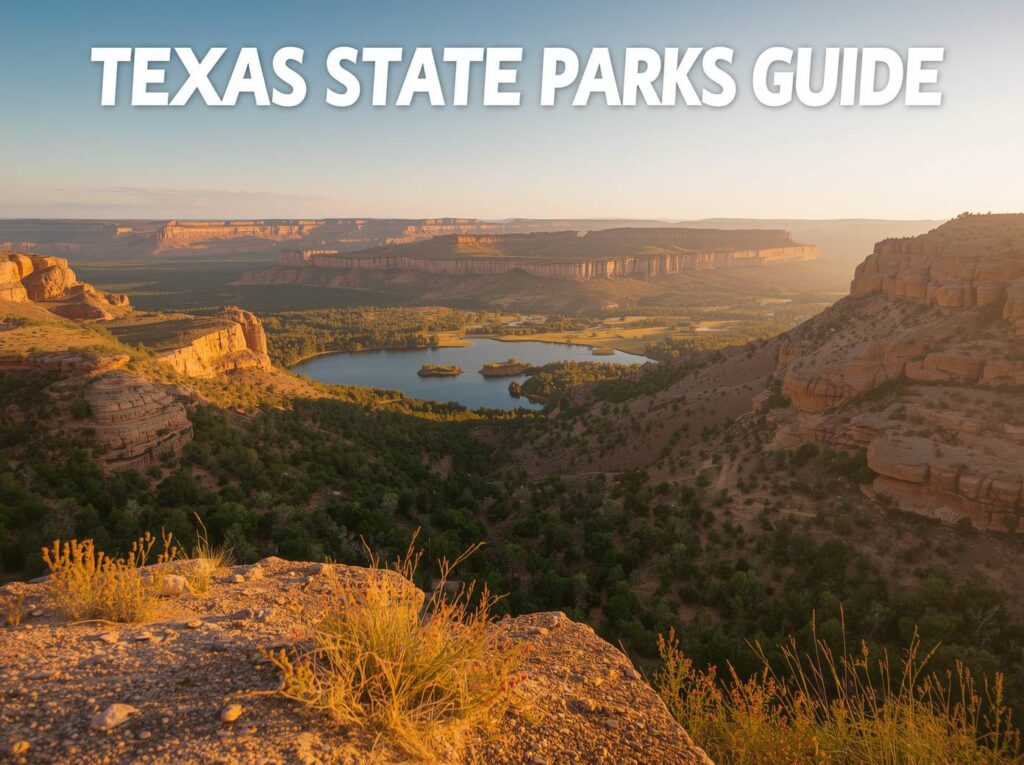
A Guide to Texas State Parks and Public Lands
Moving to Texas means more than a new home — it often means more access to outdoor space. From piney East Texas to the desert West, the state offers huge variety for people who like to hike, paddle, fish, birdwatch, or just sit under a big sky.
This Texas state parks guide will help you understand how the state park system Texas residents use works, what public lands in Texas include beyond state parks, practical tips for planning trips, and how to find outdoor recreation in your new region.
What “public lands” means in Texas
When you hear “public lands Texas,” think of several different managers and types of places. The Texas Parks and Wildlife Department runs the official state park system Texas residents and visitors use most often.
But public lands also include national parks and seashores (National Park Service), national forests managed by the U.S. Forest Service, national wildlife refuges, Army Corps of Engineers lakes and recreation areas, and Wildlife Management Areas (WMAs) for hunting and wildlife viewing. Each agency has its own rules, pass systems, and reservation platforms.
Popular destinations and what to expect
Texas is vast. Expect different ecosystems and conditions depending on where you live.
East Texas: piney woods and lakes
Expect shaded trails, lakes, and mosquitos in summer. Good spots include Caddo Lake and the many Corps lakes around Houston and Dallas. Fishing, kayaking, and family-style camping are common here.
Central Texas and the Hill Country
Granite outcrops, rivers, and rolling hills define this area. Parks like Pedernales Falls, Enchanted Rock, and Colorado Bend draw crowds in spring and fall. Water-based recreation is big: tubing, swimming holes, and small waterfalls are often the draw.
South and Gulf Coast
Beach parks, birding on coastal flats, and barrier island systems like Padre Island National Seashore dominate here. Watch for tides, strong sun, and hurricane-season closures.
West Texas and the desert
Big Bend and Guadalupe Mountains offer dramatic canyons, high desert hikes, and remote camping. Daytime summer heat, cold nights in winter, and limited services mean you need to plan farther ahead.
Panhandle and North Texas
Wide-open plains, sharp winds, and unique places like Palo Duro Canyon. Visitors should be ready for variable weather and strong sun.
Types of recreation and facilities
Texas state parks and public lands offer a spectrum of experiences. Knowing what’s available helps you match activity to expectation.
Day use
Many parks have day-use areas with picnic tables, restrooms, and short trails. Some busy parks require day-use reservations or charge an entry fee. Always check the park’s page before you go.
Camping and cabins
Facilities range from primitive walk-in sites to RV sites with full hookups and rentable cabins or screened shelters. Reservable sites are common at popular parks; first-come campsites still exist at some areas but are rarer near big cities.
Trails and hiking
Trail difficulty varies. Texas trails can be short and rocky in the Hill Country or long and remote in West Texas. Trail signage is generally good in state parks, but carry a map and bring extra water — cell service is not guaranteed.
Water sports and fishing
Fishing, kayaking, canoeing, and swimming are popular. Freshwater and saltwater fishing require licenses. Many parks have boat ramps; some have rental options nearby.
Hunting and wildlife viewing
WMAs and some public lands are managed specifically for hunting and wildlife conservation. Hunting requires separate licenses and permits. Other parks offer excellent birding and wildlife viewing opportunities without hunting.
Practical trip-planning tips
Here are real-life observations from people who use these parks regularly.
Reservations and timing
Reserve campsites and cabins well in advance for spring and fall weekends, major holiday periods, and bluebonnet or wildflower seasons. If you plan to visit Big Bend, Guadalupe Mountains, or Enchanted Rock during prime seasons, book early — some sites fill months ahead.
For day trips, arrive early on popular weekends, especially during mild weather. Parking lots can fill and trailheads can be crowded by mid-morning.
Fees and passes
Fees vary by park and by management agency. Some places charge day-use fees; most charge per vehicle for camping. Check each park’s webpage for up-to-date information. For federal lands, Recreation.gov is often the reservation site.
Note that different systems mean multiple passes may be useful if you plan to visit many parks across agencies. Always verify pass rules for the park you plan to visit.
Weather and seasonality
Texas weather is regional. Summers can be brutally hot in central and southern parts; the Panhandle and higher elevations get colder winters. Flash floods can happen in canyons after storms; coastal areas are subject to hurricane impacts. Dress and pack for the season and carry extra water during hot months.
Safety and wildlife
Expect snakes (including rattlesnakes in parts of the state), ticks in grassy areas, and lots of biting insects in summer. Use insect repellent, check for ticks after hikes, and give wildlife space. Rattlesnake encounters are rare but possible — step carefully on rocky trails and watch where you place hands and feet.
Cell coverage and navigation
Don’t rely on cell service in remote parks. Download offline maps, bring a paper map if you have one, and let someone know your plans for longer trips. A GPS device or handheld radio can be useful for backcountry adventures.
Camping realities: what to bring and expect
For new residents, camping in Texas can be easy or rugged depending on the region and type of site you choose. Here are practical suggestions.
- Water: bring more than you think, especially in dry West Texas and summer months.
- Shade and sun protection: hats, sunscreen, and lightweight long sleeves make sunny days pleasant.
- Layering: even summer deserts get cold at night; bring layers for desert and mountain camping.
- Fire safety: many parks have specific fire rules and seasonal burn bans. Use established fire rings when allowed.
- Food storage: secure food in vehicles or lockers where provided to keep bears (in rare areas) and raccoons away, and to limit visits from ants and rodents.
- Trash: pack it in, pack it out in many spots. Leave No Trace principles are widely encouraged.
How to find parks and make the most of them
Start local. New residents should look for state parks and public lands within an hour or two of their town as a way to get familiar with the region.
Use the official Texas Parks and Wildlife website to search state parks and check alerts. For federal lands, the National Park Service and Recreation.gov list park information and reservations. Apps like AllTrails, Gaia, and local Facebook groups can help you find trail conditions and trip reports from other residents.
Park rangers are a great resource. Ask them about current conditions, suggested routes for your ability level, and any wildlife or weather concerns. Many parks offer ranger-led programs, which are friendly ways to learn about an area.
Accessibility and family-friendly options
Many state parks have picnic areas, playgrounds, and short accessible trails. Cabins, screened shelters, and RV hookups make family camping easier. Accessibility varies by park, so call ahead if you have specific mobility needs.
For families with young kids, choose parks with shorter trails, springs or lakes for swimming, and established campgrounds with restrooms and potable water.
Volunteering and community connections
Joining a “Friends of” group or volunteering at a park is a great way to meet locals and learn more about the landscape. Many parks have volunteer host programs and trail workdays. If you’re new to the area, volunteering is a quick path into the outdoor community.
Final practical checklist
Before you head out, run through this quick checklist:
- Check the park’s official page for closures, fees, and reservation requirements.
- Bring adequate water and sun protection.
- Download maps or bring paper backups in low-coverage areas.
- Carry insect repellent and a basic first-aid kit.
- Know the nearest town with services and emergency numbers.
- Let someone know your plan for longer hikes or remote camping.
Closing — get outside, start small, and learn as you go
The Texas state park system Texas newcomers rely on offers such a wide range of environments that you can find outdoor recreation Texas-style no matter where you settle. Start with short, nearby trips to learn seasonal patterns and what gear you prefer.
Be prepared, check park pages before you go, and treat each place respectfully. Over time you’ll find favorite spots for morning runs, weekend camps, or day-of rest in the shade. The parks and public lands here can be a steady source of recreation and community as you put down roots in Texas.