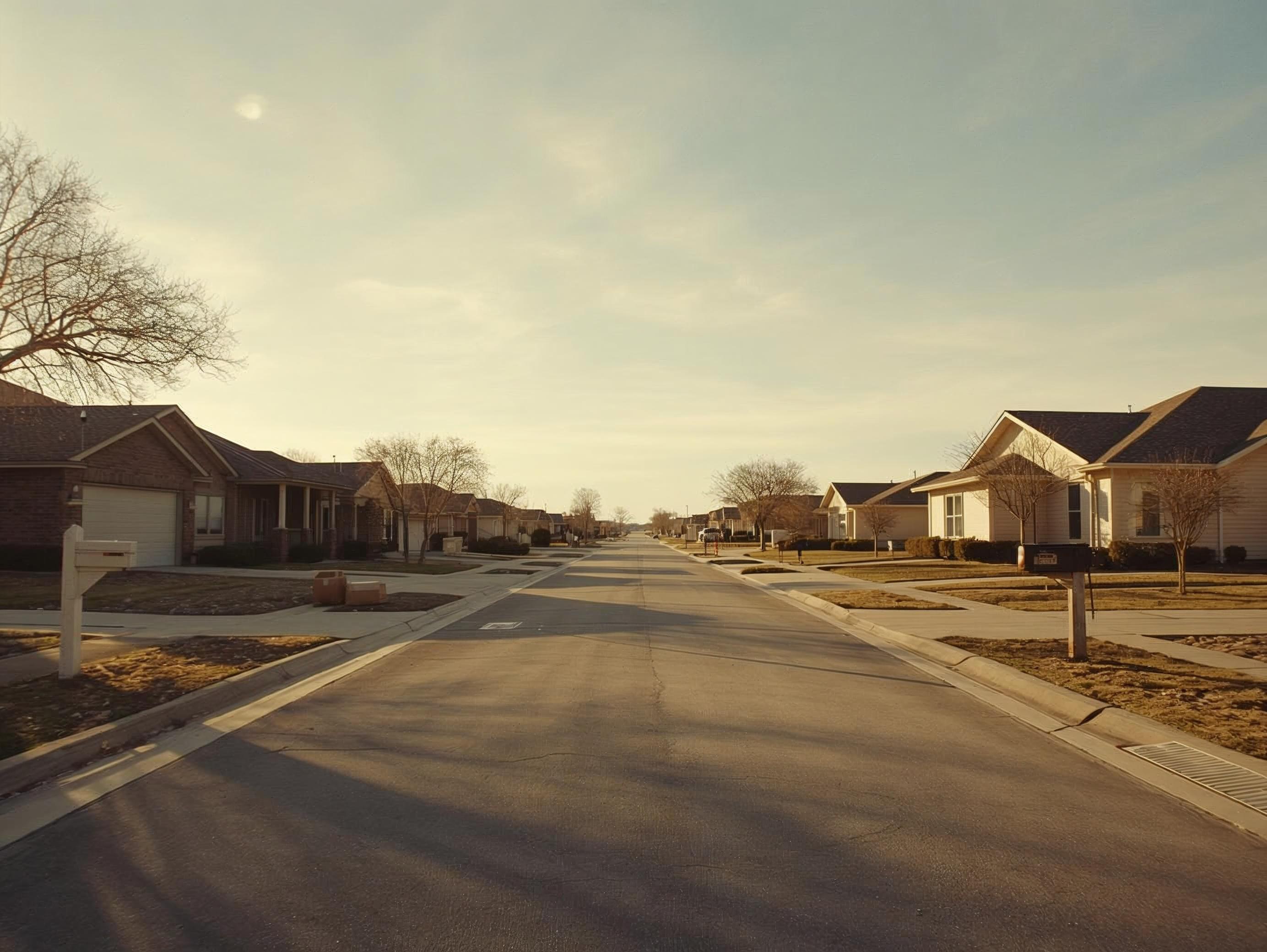
How Long It Really Takes to Feel “Settled” After Moving to Texas
How Long It Really Takes to Feel “Settled” After Moving to Texas
The Myth of the Instant Move-In
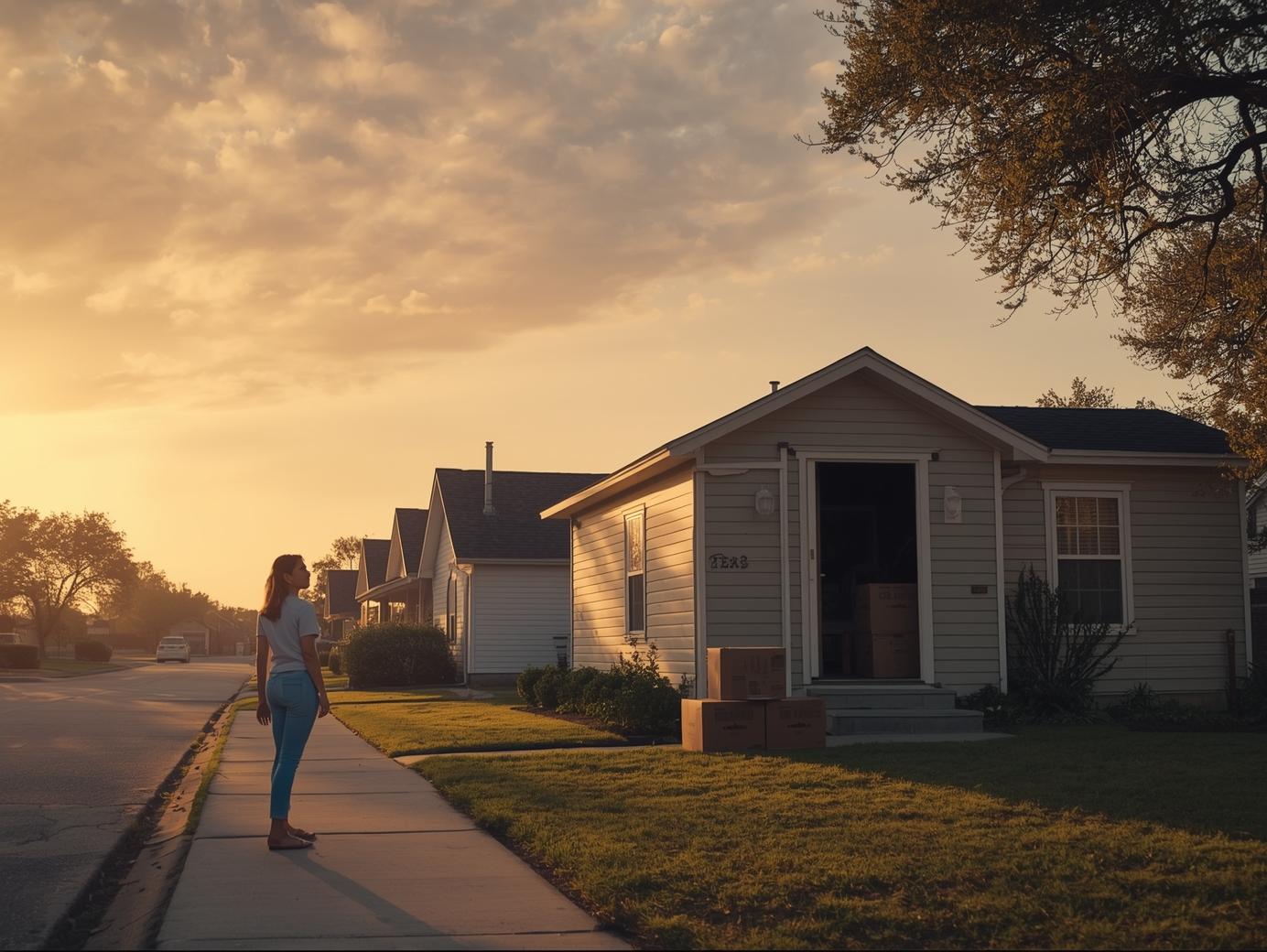
When my neighbor first moved to Texas from Oregon, she assumed unpacking her boxes and hanging pictures would mark the end of her transition. Three weeks in, surrounded by perfectly arranged furniture, she called me confused: “Everything’s in place, but why don’t I feel at home yet?”
She’s not alone. There’s a pervasive myth that once your belongings arrive and you know where the grocery store is, you’re settled. But anyone who’s moved across state lines knows the truth: feeling genuinely at home takes considerably longer than setting up your living room.
Texas, in particular, presents unique challenges to newcomers. It’s not just a state—it’s practically its own country, complete with distinct culture, sprawling geography, and an unmistakable identity. The weather shifts from blazing summers to surprise ice storms. The distances between cities can span hundreds of miles. The social landscape varies dramatically depending on whether you land in a cosmopolitan hub or a tight-knit small town. All these factors mean that getting settled here isn’t just about logistics; it’s an emotional, social, and practical journey that unfolds over months, not weeks.
The Typical Adjustment Timeline
Moving to Texas generally follows a predictable arc, though individual experiences vary widely.
The First Three Months: Everything’s New and Slightly Overwhelming
Those initial months feel like an extended vacation mixed with a reality show challenge. You’re exploring barbecue joints, marveling at H-E-B’s tortilla selection, and experiencing your first Texas thunderstorm. The novelty keeps things exciting—every trip to a local taco truck or discovery of a swimming hole feels like an adventure.
But beneath the excitement, you’re also handling the exhausting basics: figuring out which roads flood when it rains, learning that “summer” means April through October, and understanding that air conditioning isn’t optional. You’re still using GPS for everything, your driver’s license has your old state on it, and you’re probably mispronouncing local street names.
Months Three to Six: Reality Kicks In
This is when the honeymoon phase fades and homesickness often peaks. The DMV wait times test your patience. You miss your favorite coffee shop from back home. Video calls with old friends start highlighting how much life has continued without you there.
Work or school routines are now established, but they don’t feel natural yet. You’re functioning, but everything requires conscious effort. Deciding where to get your car serviced, finding a doctor you trust, or figuring out which neighborhoods to avoid after dark—these practical realities demand constant problem-solving. You might find yourself wondering if you made the right choice.
Months Six to Twelve: Finding Your Rhythm
Somewhere in this window, things start clicking. You’ve survived a full summer and maybe your first “winter” (which probably involved one week of cold weather and Texans panicking about ice). You’ve found your people—whether through work, a gym, a church, or your kid’s soccer league. You have opinions about which Whataburger location has the best service and you’ve stopped being surprised when strangers strike up conversations in line.
Your routines feel less forced. You know which roads to take during rush hour, where to find the best breakfast tacos, and that “y’all” actually is the most efficient second-person plural pronoun. You’re not a native, but you’re no longer a complete outsider either.
Factors That Affect How Fast You Settle In
Not everyone settles at the same pace, and several variables significantly impact your adjustment timeline.
City Size and Culture
Landing in Austin versus a rural Panhandle town creates vastly different experiences. Austin’s influx of transplants means you’ll find plenty of fellow newcomers navigating the same challenges. The city’s progressive culture and tech industry create natural social networks for certain demographics. Dallas offers corporate networking opportunities and diverse neighborhoods but can feel more sprawling and impersonal. Houston’s massive size means you might need six months just to understand the geography. Meanwhile, smaller Texas towns offer tight-knit communities where you’re the topic of local conversation the moment you arrive—which can either accelerate belonging or amplify the fishbowl feeling.
Your Reason for Moving
People who relocate for a specific job often settle faster because they have built-in social structures through work. Those moving for family have immediate support systems but might struggle to build independent friendships. Retirees or lifestyle migrants have more freedom to explore but may need to work harder to create purpose and community in their new environment.
Personality and Social Comfort
Extroverts who thrive on meeting new people generally adjust more quickly than introverts who need time to build deeper connections. If you’re comfortable introducing yourself to neighbors, joining group activities, or striking up conversations with strangers, you’ll likely feel at home faster. But if you prefer letting friendships develop organically over time, the settling process naturally extends.
Community Involvement
This might be the single biggest variable. People who immediately join something—a church, a running club, a volunteer organization, a parents’ group—report feeling settled months earlier than those who stay isolated. Texas culture particularly values community involvement, so participating in local traditions, whether it’s high school football games or neighborhood block parties, accelerates the sense of belonging.
Emotional and Social Adjustments
The logistics of moving are tangible and solvable. The emotional component is trickier.
Missing your old life is completely normal, even when you’re excited about your new one. You’ll have moments where a familiar smell or song triggers unexpected homesickness. Social media makes this harder—watching old friends continue traditions without you can sting, even when you’re building new traditions here.
Newcomer fatigue is real. The constant effort of navigating unfamiliar situations, explaining your backstory repeatedly, and learning new systems is mentally exhausting. Give yourself permission to have days where you just want to stay home and order from the one restaurant you’ve already figured out.
Connecting with Texans, thankfully, is often easier than in other states. The stereotype of Texas friendliness exists for a reason. People generally will chat with you in line, neighbors often introduce themselves, and community events are genuinely welcoming to newcomers. Take advantage of this openness. Accept invitations even when you’re tired. Show up to neighborhood gatherings. Ask locals for recommendations—Texans love sharing opinions about the best places to eat, visit, or avoid.
Practical Hurdles and How to Tackle Them
Beyond the emotional adjustment, Texas presents specific practical challenges that can delay feeling settled.
Texas utilities operate differently than many states expect. You’ll likely choose your own electricity provider from dozens of options—a freedom that feels overwhelming at first. Property taxes are high but there’s no state income tax, which changes your financial planning. Vehicle registration requires a safety inspection and possibly emissions testing depending on your county. These aren’t insurmountable obstacles, but they require research and patience.
The climate deserves its own adjustment period. Summer heat isn’t just warm—it’s physically oppressive. You’ll learn to plan outdoor activities for early morning, discover that your electric bill triples in July, and understand why everyone’s so obsessed with air conditioning. Then there are the bugs, the sudden storms, and the occasional tornado warning that sends everyone calmly to interior rooms like it’s a normal Tuesday.
Commutes vary wildly by city. Houston traffic rivals Los Angeles. Austin’s growth has outpaced its infrastructure. Smaller cities offer easier drives but fewer public transit options. Factor commute times into your settling process—a brutal daily drive can undermine your quality of life and delay feeling at home.
Signs You’re Finally Settled
You’ll know you’ve crossed the threshold when certain markers appear in your daily life.
- You have a regular coffee shop where the barista recognizes you.
- You’ve found your favorite taco place and have strong opinions about salsa verde versus roja.
- Weekend routines have emerged—maybe it’s the farmers market on Saturday morning or a regular hiking trail.
Navigation becomes intuitive. You stop relying on GPS for daily routes and can give directions using landmarks instead of street names. You know which intersections always back up and which shortcuts actually save time.
Social indicators matter too. You recognize your neighbors’ dogs by name. You’ve been invited to someone’s backyard barbecue. You have local friends beyond work colleagues—people you’d call if you needed help moving furniture or wanted dinner plans.
And perhaps most tellingly, “y’all” slips into your vocabulary without thinking about it. You say “fixing to” instead of “about to.” You understand that “bless your heart” isn’t always a compliment. The language of Texas becomes your language.
Tips to Speed Up the Process
While settling takes time, you can actively accelerate it.
- Join something immediately—anything that creates regular contact with the same people. The activity matters less than consistent interaction.
- Explore your area intentionally instead of waiting for opportunities. Visit neighborhoods, attend festivals, check out markets, and try local spots recommended by Texans.
- Give yourself grace. Some days you’ll feel at home. Other days you’ll feel brand new again. Both are normal.
It’s a Journey, Not a Deadline
“Feeling settled” doesn’t arrive like a package delivery with a definitive timestamp. It’s not a switch that flips when you’ve lived somewhere for exactly X months. Instead, it’s a gradual accumulation of comfort, connection, routine, and belonging that builds so slowly you often don’t notice until you look back.
For most people moving to Texas, genuine settling happens somewhere between six months and a year—but that’s just an average. Some people feel at home in three months. Others need eighteen. Neither timeline is wrong.
The goal isn’t to rush toward feeling settled as quickly as possible. The transition period itself has value. Those months of exploration and discovery, of learning and adjusting, of making mistakes and finding solutions—they’re how you develop a real relationship with your new home rather than just existing in it.
So if you’re currently in the midst of adjusting to Texas life, be patient with yourself. Keep showing up. Keep exploring. Keep connecting. The feeling of being settled will arrive not as a dramatic moment but as a quiet realization: this place isn’t new anymore. It’s just home.