How Longtime Texans Describe Their Quality of Life
How Longtime Texans Describe Their Quality of Life
Texas isn’t just a state—it’s a state of mind, a cultural identity, and for millions of residents, a place they can’t imagine leaving. Those who’ve spent decades under the Lone Star sky develop a particular perspective on what makes life here distinctive. From the sprawling metro areas to rural communities where everyone knows your name, longtime Texans paint a picture of daily existence that’s equal parts practicality and pride.
The relationship longtime residents have with Texas runs deeper than simple geography. It’s woven into morning routines, weekend plans, career trajectories, and retirement dreams. Understanding how these seasoned Texans view their quality of life offers insight into what sustains communities across the nation’s second-largest state.
The Economic Foundation
When longtime Texans discuss quality of life, economic opportunity invariably enters the conversation early. The absence of state income tax remains a point of pride and practical benefit that shapes household budgets in meaningful ways. A professional earning $75,000 annually keeps significantly more take-home pay compared to peers in California or New York, creating breathing room that affects everything from housing choices to retirement savings.
Beyond tax policy, veterans of the Texas economy appreciate the diversity of industries that have taken root here. Energy remains foundational, but technology hubs in Austin, medical centers in Houston, defense contractors in Fort Worth, and manufacturing throughout the state create employment ecosystems that weather national economic storms with relative resilience. Those who’ve lived through multiple recessions note that Texas tends to recover faster than coastal states, with job markets rebounding while other regions still struggle.
The cost of living advantage, while eroding in major metros, still exists for those who’ve watched housing markets evolve over decades. A couple who purchased a home in suburban Dallas in 1995 watched their property appreciate while remaining affordable compared to comparable neighborhoods in Seattle or Boston. This wealth-building opportunity through homeownership represents a cornerstone of quality of life for middle-class Texans who might have been priced out of similar trajectories elsewhere.
Space and Pace
Longtime residents frequently mention space—physical, psychological, and temporal—as central to their satisfaction with Texas life. Even in cities like Houston and Dallas-Fort Worth, where traffic congestion rivals any major metro, the overall sense of spaciousness persists. Backyards exist in neighborhoods where coastal equivalents offer only patios. Parking isn’t a treasure hunt. Homes have garages, storage, and room for hobbies that require square footage.
This spatial generosity extends beyond private property. State parks, lakes, and hundreds of miles of coastline provide recreational opportunities without the crowds that plague national parks out west. A weekend fishing trip doesn’t require months of advance planning or lottery systems for permits. You can simply go.
The pace of life, particularly outside the major metros, earns consistent praise from those who’ve experienced alternatives. Small and mid-sized Texas cities—places like Tyler, College Station, or Wichita Falls—offer professional opportunities and cultural amenities while maintaining rhythms that prioritize family time and community involvement. Parents describe coaching Little League without sacrificing careers, volunteering at church without burnout, and knowing their neighbors beyond polite waves.
Even in Houston or Austin, residents who’ve lived elsewhere note a different quality to daily interactions. Service tends to be friendlier. Small talk feels genuine rather than performative. The cultural expectation of helpfulness—holding doors, offering jumper cables, helping strangers with directions—creates a social fabric that isolated urban experiences often lack.
Climate and Outdoor Living
The Texas climate elicits strong opinions, but longtime residents have made peace with the heat and learned to leverage the advantages. Eight to nine months of outdoor-friendly weather means patios see year-round use, children play outside after school even in January, and outdoor hobbies remain accessible across seasons.
Veterans of Texas summers describe adaptation rather than suffering. You schedule outdoor activities for mornings or evenings during July and August. You invest in good air conditioning. You embrace swimming pools as essential infrastructure rather than luxury amenities. The tradeoff—no snow shoveling, minimal heating bills, and the ability to golf or hike during Christmas week—feels worthwhile to those who’ve committed to the climate.
The variety of landscapes within Texas borders provides options for weekend escapes without leaving the state. Hill Country offers rolling terrain and limestone cliffs within three hours of major cities. The Gulf Coast provides beach access for Houston, Corpus Christi, and South Texas residents. West Texas deserts appeal to those seeking stark beauty and solitude. Piney woods in East Texas create environments that feel nothing like the stereotypical Texas landscape.
Community and Culture
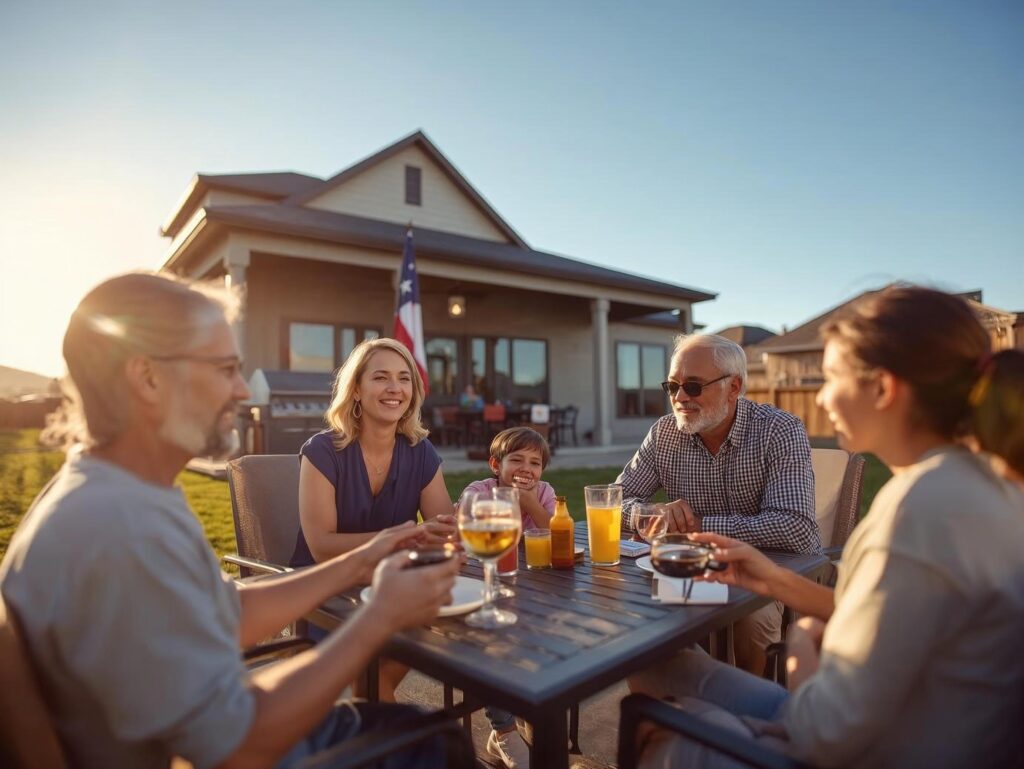
Perhaps no aspect of Texas quality of life generates more consistent commentary from longtime residents than the sense of community identity. Even as metropolitan areas absorb transplants from across the nation and globe, certain cultural touchstones persist. Friday night football in fall creates shared experiences across generations. Barbecue isn’t just food—it’s heritage, competition, and weekend ritual. Country music, rodeos, and state pride remain unironic parts of mainstream culture.
This doesn’t mean Texas culture is monolithic. Houston’s diversity creates a culinary scene rivaling any American city, with Vietnamese, Nigerian, Pakistani, and Mexican communities contributing authentic food traditions. Austin’s music scene and progressive politics create an environment distinct from Fort Worth’s cowboy culture or El Paso’s border identity. Longtime residents appreciate that Texas contains multitudes while maintaining certain shared values.
Those values—independence, self-reliance, neighborliness, and optimism—show up in how communities respond to challenges. When hurricanes strike the coast, volunteer rescue efforts mobilize before federal agencies arrive. When winter storms knock out power, neighbors check on elderly residents and share generators. This ethic of mutual aid, disconnected from government intervention, represents something longtime Texans view as essential to quality of life.
Education and Family Life
Texas families who’ve raised multiple generations in the state point to educational opportunities as both strength and ongoing concern. Major university systems—UT, Texas A&M, Texas Tech, and numerous others—provide affordable, high-quality higher education options. Automatic admission policies for top high school students create pathways to flagship institutions that don’t require Ivy League price tags or admissions anxiety.
K-12 education receives more mixed reviews, with quality varying dramatically by district and region. However, longtime residents note that engaged parents can find excellent public schools, robust private options, and growing charter networks in most metro areas. The ability to afford larger homes in good school districts—something increasingly difficult in high-cost states—enables families to prioritize education without financial devastation.
Family-oriented amenities pervade Texas communities in ways longtime residents sometimes take for granted until visiting elsewhere. Youth sports leagues, church activities, scouting programs, and community centers provide structured activities without the professionalization and expense that characterize similar programs in competitive coastal markets. A child can play multiple sports without parents taking second mortgages or sacrificing retirement savings.
Looking Forward
Longtime Texans watching their state change express both pride and concern. Population growth brings economic vitality but also traffic, housing pressure, and cultural dilution. Political divisions intensify as urban and rural Texas drift further apart ideologically. Water resources, infrastructure needs, and climate adaptation present challenges that previous generations didn’t face with the same urgency.
Yet most veterans of Texas life remain fundamentally optimistic. They’ve seen the state weather oil busts, banking crises, hurricanes, and droughts while continuing to grow and prosper. They believe in Texas’s capacity for reinvention and adaptation. The quality of life they describe isn’t perfect—no place is—but it’s built on foundations of opportunity, space, community, and freedom that feel increasingly rare in modern American life.
For those who’ve spent decades here, Texas quality of life means coming home to a place that still feels like home, where you can build the life you want with less interference and more support than alternatives offer. It’s not for everyone, and longtime residents don’t pretend otherwise. But for those it suits, Texas provides something increasingly precious: the ability to thrive without choosing between economic security and quality of life, between career ambition and family priorities, between individual freedom and community connection. That balance, however imperfect, keeps Texans rooted in the only place they’d ever call home.