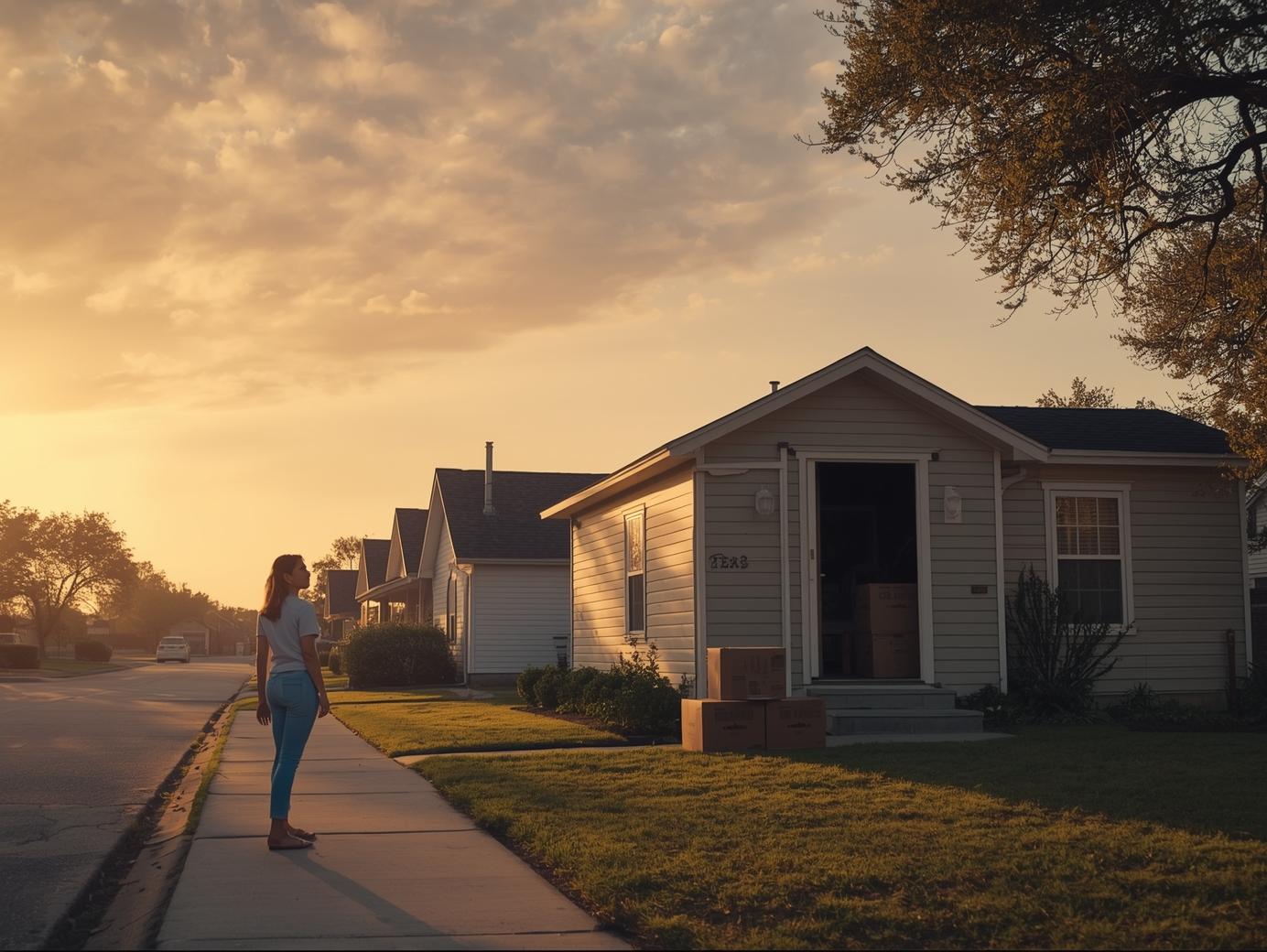
Whats People Don’t Expect When Moving to Texas
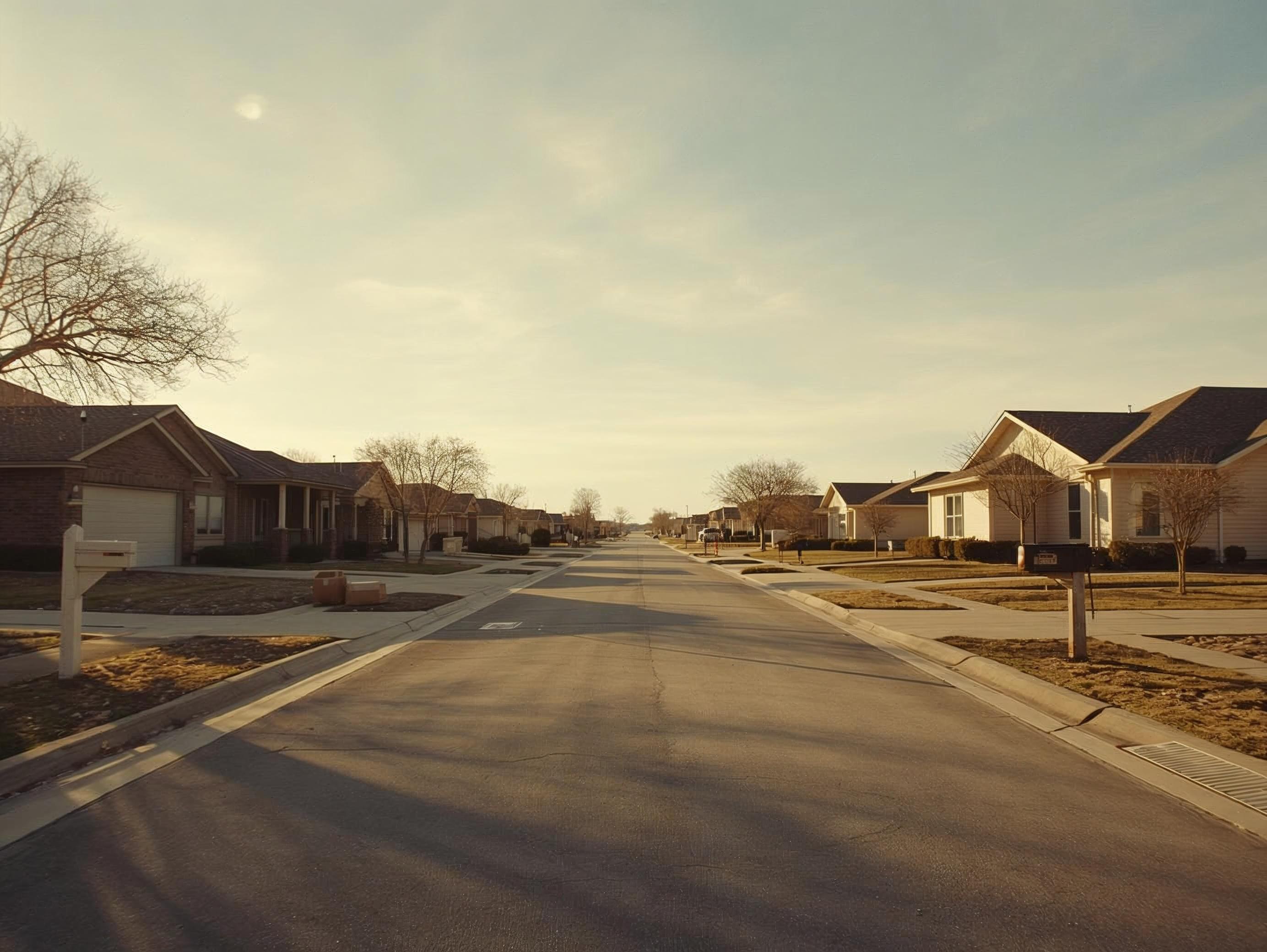
Whats People Don’t Expect When Moving to Texas
Thinking about moving to Texas? Whether you already signed a lease or you’re still daydreaming, there are everyday realities that surprise newcomers. This is a practical, human guide about what it’s like living in Texas and how to prepare for the small things that add up. No hype — just real observations and relocating to Texas tips that make daily life smoother.
Climate and weather: more than just “hot”
People say Texas is hot, and that’s true — but it’s more complicated. East Texas is humid; your summers will feel muggy and mosquito-heavy. Central and South Texas can be baking and dry. West Texas is more desert-like with big temperature swings between day and night. Spring brings dramatic storms in many regions, and hail is a real thing to worry about in parts of the state.
Practical tip
Test your home’s air conditioning before summer hits. If you’re house hunting, check how well windows seal and whether the attic is insulated. Invest in sun-blocking curtains and a programmable thermostat. A small dehumidifier for a damp basement or closet can make a big difference in comfort.
Space and driving: Texas is wide, not small
Texas neighborhoods are often spread out. Cities sprawl, and many errands will require a car. Public transit exists in some metros, but in most places a car is central to everyday life. That affects commute times, grocery runs, and how you socialize. Weekend plans often involve driving to parks, lakes, or friends’ houses rather than walking to a café.
Practical tip
When choosing where to live, map out daily routes: where you’ll work, shop, and spend free time. Drive those routes during rush hour before making a decision. If you can, find a mechanic and a reliable tire shop near your new home — these become invaluable fast.
Housing realities: what your money buys
Housing markets vary wildly. In some parts of Texas you can get a lot more house for your money than in other states; in booming metros the cost can be competitive. Property taxes are noticeable and usually higher than the national average, which affects monthly expenses. Homeowners associations (HOAs) are common in newer neighborhoods and come with rules and dues. Rentals can be plentiful, but standards vary by landlord.
Practical tip
Ask for recent utility bills and property tax figures when shopping for a home. If renting, read the lease for maintenance responsibilities and how the landlord handles heat-related repairs. Consider an energy audit for older houses to avoid surprise cooling costs.
Water and weather hazards: flood zones, droughts, and storm prep
Flooding can happen after heavy rains, even in unexpected places. Conversely, parts of Texas deal with drought, which affects outdoor water usage and landscaping. Severe storms — including thunderstorms and occasional tornadoes — mean knowing your local emergency plans and having a basic kit on hand.
Practical tip
Check flood maps and local drain infrastructure if you’re buying. If you’re renting, ask neighbors about past flooding. Keep a small storm kit, and know where the nearest storm shelter or safe room is. Consider flood insurance if you’re in a marginal area; homeowners insurance often doesn’t cover flood damage.
Pests and plants: expect critters and seasonal allergies
Texas is biologically diverse. Expect ants, mosquitoes, cockroaches, and, in some areas, scorpions and snakes. Fire ants are common in yards. Seasonal pollen can be intense for allergy sufferers, especially cedar pollen in winter and spring allergens later on. Yard care is a year-round hobby in some neighborhoods.
Practical tip
Seal gaps around doors and windows and invest in outdoor pest control if you have a yard. Keep fire ant bait on hand and learn local plant species to avoid. If allergies are a concern, check pollen counts for your prospective city and plan for easy-access healthcare or allergy clinics.
Food, culture, and day-to-day life
The food scene is a pleasant surprise for many — excellent BBQ, Tex-Mex, and regional specialties are easy to find. Grocery options range from big national chains to regional markets with specialty items. Many towns have a community feel with farmers markets, small festivals, and strong neighborhood groups.
Practical tip
Explore local markets and smaller grocers for regional produce and staples. If you have specific dietary needs, check the availability of specialty items near where you’ll live. Get to know your neighbors — community groups and local Facebook or Nextdoor pages are helpful for practical tips and recommendations.
Healthcare, schools, and services
Access to healthcare and quality of schools varies by city and district. Larger metros have major medical centers and specialists, while rural areas may have fewer immediate options. If you have kids, researching school districts matters more than city reputation. For adults, knowing where the nearest urgent care is beats searching in the moment.
Practical tip
Line up primary care providers and a dentist soon after you arrive. If you have children, visit schools and talk to parents in the area. Check wait times and availability for specialists you might need.
Real community details: friendliness, traditions, and expectations
Texans are often friendly and community-oriented. You’ll see neighbors wave, local businesses supporting schools and events, and a strong civic culture in many towns. Expect a mix of old traditions and fast-growing newcomers that shape each city’s character. College football and local festivals matter a lot in some places and less in others.
Practical tip
Get involved in a local group, whether it’s a gym class, church group, or civic organization. It’s the fastest way to learn your area’s rhythms, make friends, and find reliable local recommendations.
Relocating to Texas tips: a short practical checklist
Before you move, do these things: visit key neighborhoods during different times of day, check flood and commute maps, get a sense of utility costs, and line up basic services (doctor, dentist, mechanic). Bring summer-appropriate clothing, a sun hat, and a plan to keep your cooling system in good shape. If you have pets, scout vets and boarding options ahead of time.
Final reassurance: you’ll figure out what works
Moving to Texas brings practical surprises, but most are manageable with a little planning. There’s no single “Texas experience” — what it’s like living in Texas depends on which city or region you choose. Focus on the everyday details: home comfort in summer, reliable transportation, and local services. Take time to explore, ask questions, and let neighbors be your best resource.
If you’re still weighing the move, keep this as a simple Texas lifestyle guide to check against your top choices. Small preparations now can make the transition smoother, and within a few months you’ll have your own list of local favorites and practical hacks. Welcome to the planning stage — you’re closer than you think to finding a place that fits.