How Oil and Gas Development Influences Local Texas Economies
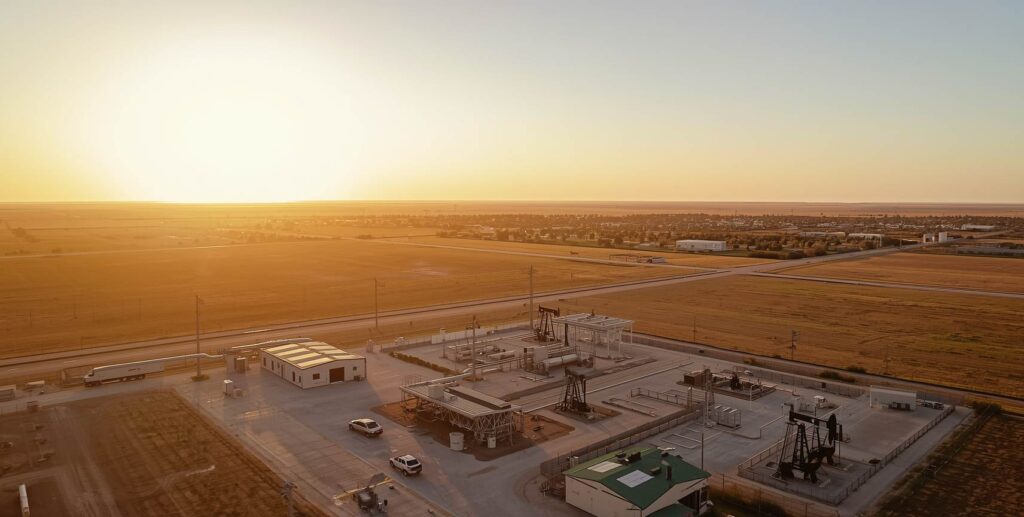
How Oil and Gas Development Influences Local Texas Economies
If you’re thinking about moving to Texas, you’ll hear a lot about energy: jobs, pipelines, rigs, and the communities that spring up around them. The oil and gas sector plays a very practical role in shaping towns and counties across the state. This post walks through the ways development affects day-to-day life, local services, housing, and long-term community planning so you can make an informed decision.
Why the energy industry matters in Texas
Texas leads the nation in oil and gas production, and that scale shows up in many places. From the Permian Basin out west to the Eagle Ford and the Gulf Coast, the energy industry Texas footprint is large and varied.
When drilling activity ramps up, it doesn’t only create jobs on rigs. It supports trucking, hospitality, retail, real estate, and professional services. That ripple effect is why discussions about oil and gas often become discussions about local economies.
Where the activity is concentrated
Different regions have different rhythms. The permian basin economy—centered around Midland, Odessa, and surrounding counties—has seen prolonged growth and periodic surges tied to global oil prices and technological shifts like hydraulic fracturing.
The Houston area, while home to many corporate headquarters and service firms, is also a nexus for refining, petrochemical work, and logistics. Coastal regions support refining and shipping infrastructure. Each place feels the influence of texas energy production in distinct ways.
Jobs and wages: what to expect
Energy development brings a wide spectrum of employment opportunities. There are direct extraction jobs—drillers, derrick hands, engineers—and many indirect positions in supply chains, maintenance, and professional services.
Pay in many energy-related roles tends to be higher than local averages. That can lift household incomes in communities near active fields. But higher wages also change local markets: housing prices and rents can move up quickly, and service workers may face longer commutes or higher living costs.
For people relocating, look beyond headline job titles. Many roles require certifications or experience specific to the industry. If you’re aiming for downstream or office work—such as logistics, environmental compliance, or accounting—Houston and other metro areas offer more stability and a broader range of employers.
Housing and cost of living impacts
One of the most visible changes in energy boom areas is housing. Active development can create sudden demand for rental units and homes.
In smaller towns, a spike in workers can lead to a shortage of housing, higher rents, and temporary housing solutions like man camps or short-term rentals. That can strain local neighborhoods and change the character of communities.
In larger metro areas, the energy sector’s influence is subtler. Houston’s housing market, for instance, benefits from high-paying energy jobs, but it’s balanced by other industries—medical, tech, ports—which provides more stability.
If you’re moving, consider timing and flexibility. Look at rental vacancy trends in the county you’re targeting, and be prepared for higher deposits or shorter lease notice periods in boom times. Working with a real estate agent who understands energy-driven markets can save you headaches.
Local government revenues and public services
Tax revenue from oil and gas affects county budgets and services. Production-related taxes and increased property valuations can boost funding for schools, roads, and emergency services.
That said, revenues can be uneven. They often track the commodity cycle. When production slows, budgets can tighten quickly, so local governments sometimes balance recurring expenses with one-time infrastructure projects funded during boom years.
For families considering a move, a practical step is to review local school district funding and recent budget moves. It gives you a sense of whether increased revenue has translated into sustained improvements—like new school buildings, expanded healthcare access, or upgraded roads—or short-lived projects.
Infrastructure and wear-and-tear
Energy operations require a lot of trucking and heavy equipment, which accelerates wear on rural roads. Counties with significant truck traffic often budget more for road repair, but repairs can lag behind activity surges.
Expect to see more commercial traffic on routes connecting wells to processing facilities. This affects commute times and can change local driving patterns. If you rely on rural roads, check condition reports and recent county planning documents before you move.
Business opportunities beyond drilling
Local economies benefit from a broad ecosystem that supports drilling operations. Restaurants, lodging, auto repair, cleaning services, and construction all see increased demand during active periods.
Entrepreneurs often find niches that persist even when drilling slows—maintenance shops, equipment leasing, safety training providers, and logistics firms. For those considering relocation with a small business in mind, these sectors are practical places to look for opportunity.
Professional services—legal, accounting, engineering, and environmental consulting—also expand in active regions. These roles can offer more stable employment if you prefer an office-based job connected to the energy economy.
Community life and social changes
Inflows of workers can rejuvenate towns, bring new restaurants and entertainment options, and support cultural amenities. But rapid change can also strain local services and alter community rhythms.
Neighborhoods may get busier, and demand for childcare, healthcare, and schools can spike. Expect more diverse populations as workers move in from other parts of the country. For many newcomers, that’s a positive change—more choices, more services. For long-time residents, it can feel disruptive.
When you visit a prospective town, spend time in different neighborhoods at different times of day. Talk with neighbors, local business owners, and school administrators about recent changes. Those conversations often reveal practical details that statistics do not.
Environmental and quality-of-life considerations
Energy development affects air quality, noise levels, light at night, and local water use—practical realities that matter for daily living. The degree depends on proximity to operations and the scale of activity.
Many companies invest in noise mitigation, dust control, and landscaping around sites. Local regulations and company practices vary, so expect differences from county to county. If you’re sensitive to noise or air quality, check for recent monitoring reports or ask local health departments for information.
Water use can be significant in drilling operations, especially in arid regions. That can influence community water planning and well permitting. If you rely on private wells or are concerned about water availability, review county water plans and ask local authorities about recent permitting trends.
Long-term planning and resilience
Communities that plan well tend to get the most benefit from energy activity. That includes investing production revenues into durable assets—roads, schools, emergency services—rather than only covering routine expenses.
Some counties have set up stabilization funds or capital project plans funded by energy revenues. Others have focused on workforce development, partnering with community colleges for trade and safety training that helps locals fill new jobs.
As a potential resident, look for signs of long-term thinking: public meetings about land use, active economic development boards, and school-district plans that prioritize workforce skills needed in the energy sector. These are indicators that a community is trying to translate oil and gas gains into lasting benefits.
Practical advice for people moving to energy regions
1) Research multiple data points. Don’t rely only on national headlines. Check local job listings, county appraisal district values, and school performance.
2) Time your move strategically. If you’re looking for rentals, avoid moving into a peak hiring period with limited inventory. If you’re buying, be cautious about paying premium prices driven solely by a temporary activity spike.
3) Talk to locals. Visit coffee shops, attend a city council meeting, or join local Facebook groups. These conversations will give you a sense of the community rhythm and practical challenges like road conditions, daycare availability, and where to get services quickly.
4) Check commute routes. Heavy truck traffic can add significant time to rural commutes. Drive both your potential commute and alternate routes during rush hours.
5) Consider distance to healthcare and schools. Rapidly growing towns may add services, but sometimes hospital and specialty care still require trips to larger cities.
6) Understand mineral rights if you’re buying property. Mineral ownership in Texas can be separate from surface ownership, which has practical implications if wells are developed near your home. Ask your title company or attorney to verify mineral rights before purchase.
7) Prepare for seasonal and cyclical realities. The oil and gas texas economy is tied to global markets. That means wages and hiring can be cyclical. Building a financial cushion and keeping skills transferable across industries helps reduce personal risk.
How energy diversification affects communities
Some Texas communities increasingly balance traditional oil and gas with other forms of texas energy production, such as wind and solar. Diversification can smooth out revenue cycles and create new job pathways in construction, operations, and maintenance.
Areas within reach of major metro centers often benefit from multiple industries. That’s why many people choose to live in a larger city with energy-industry connections rather than in isolated boom towns. It provides lifestyle choices—arts, schools, healthcare—while keeping employment opportunities open.
Real-life observations from Texas towns
In Midland and Odessa, long-term growth has changed housing markets and led to improved amenities like new retail centers and schools. But it has also meant more traffic, higher rents, and a growing need for mental health and social services.
In smaller counties, the arrival of drilling crews often resulted in immediate business opportunities: new auto shops, expanded grocery options, and additional dining choices. Over time, some businesses stayed and adapted, while others closed when activity declined.
Along the Gulf Coast, refineries and ports support a different set of jobs—more stable, often unionized positions in processing and logistics. Those communities have developed stronger institutional support for training and safety, which helps long-term workforce stability.
Wrapping up: making a grounded decision
Oil and gas development is a major, practical driver of local economies in Texas. It brings jobs, boosts local businesses, and changes public revenues—but it also introduces variability, infrastructure demands, and environmental considerations that affect everyday life.
If you’re considering a move, balance optimism with due diligence. Visit potential communities, talk to residents and employers, check local government plans, and understand housing dynamics and commute realities. Being attuned to the local rhythm will help you find a place that fits your family and work needs.
Texas offers a range of living experiences—from boom-era small towns to diversified metropolitan areas with deep energy ties. With realistic expectations and a bit of homework, you can make a move that takes advantage of the benefits of the energy industry texas provides while avoiding common pitfalls.
Come to Texas prepared, and you’ll be ready to make a place here that feels like home.