Why County Fairs and Rodeos Remain Important to Texas Culture
Why County Fairs and Rodeos Remain Important to Texas Culture
Moving to Texas means more than changing your address. It often means getting to know the rhythms of a place where community life often happens outside of the usual city routines. For many Texans, county fairs and rodeos are those rhythms—recurring, familiar events that bring neighbors together, showcase local skills, and pass down traditions. If you’re thinking about making Texas home, understanding these gatherings helps you settle in faster and feel connected sooner.
What county fairs and rodeos look like in Texas
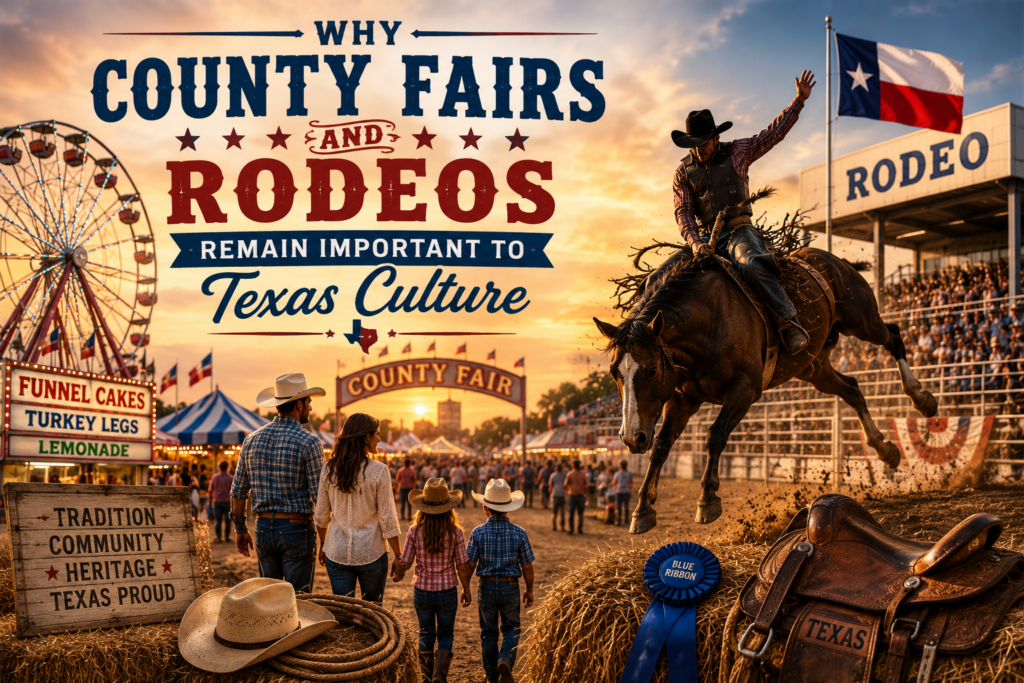
County fairs in Texas are practical, no-frills community hubs. You’ll see livestock barns, 4-H and FFA exhibits, pie and quilting competitions, a midway with rides and games, and vendors who’ve built a following for years. The scale varies by county. A small rural fair can be a few hundred people on a warm evening. Bigger county fairs can draw thousands over several days. Either way, they center on local people showing what they raise and make.
Rodeos range from small-town performances to multi-night events with pro-level competitors. A local rodeo usually includes bull riding, saddle bronc, calf roping, barrel racing, and sometimes youth events like mutton bustin’. There’s often a community meal or barbecue, and a social atmosphere where people come dressed casually or in western clothes. Rodeo culture in Texas blends athleticism, tradition, and a respect for animals and the people who work with them.
How these events anchor community life
For many Texans, county fairs and rodeos are where friendships are made and sustained. Volunteers run much of the work—from setting up tents to judging contests. Local businesses sponsor events and booths. Youth programs like 4-H and FFA use fairs and livestock shows as a way to teach responsibility, animal husbandry, and public speaking.
These events aren’t just entertainment. They’re opportunities for older residents to pass down skills and for younger residents to build résumés and raise money through livestock auctions. Scholarships and prize money help kids pay for college, and that’s a tangible way a community event can change a life. When you attend a fair or rodeo, you’ll often see the same faces year after year, greeting each other like clockwork. That consistency is part of what keeps neighborhoods and small towns resilient.
What to expect when you go
If you’ve never been to a Texas county fair or a local rodeo, expect an easygoing, family-centered atmosphere. Events are usually scheduled over several days, with daytime activities for kids and livestock and nighttime entertainment or more competitive rodeo rounds. The smell of fried food and barbecue is part of the experience, and you’ll find vendors selling everything from handmade leather goods to home-canned preserves.
Be prepared for outdoor conditions. Shade can be limited, so sunscreen, a hat, and a refillable water bottle are smart choices. Comfortable shoes are important—many fairgrounds are gravel or dirt. Parking is usually plentiful but sometimes distant, so allow time to walk from your car. In more rural areas, cell service can be spotty, so plan accordingly if you need to coordinate meetups or pickup times.
Rodeo etiquette and safety
Rodeos have a culture built on respect—for animals, competitors, and the audience. If you’re new, watch how locals behave: they keep a safe distance from arenas, follow rules about where to take photos, and respect the animals and handlers. Loud noises and unpredictable moments are part of the show; if you have small children, bring ear protection and consider sitting farther from the action.
Follow the event’s posted safety guidelines. Don’t climb on fences or try to approach animals. Rodeo staff and handlers are experienced professionals; their directions are meant to keep everyone safe. If you want to get a closer look, there are usually designated meet-and-greet times or educational displays where handlers answer questions.
Practical tips for newcomers
Start local. Check the website of your county or city, the local chamber of commerce, or the county extension office to find a calendar of upcoming fairs and rodeos. Many communities also post events on social media groups and neighborhood apps. These sources will give you dates, ticket prices, and schedules for highlights like parade times, livestock shows, and headline rodeo nights.
Buy tickets in advance if the event allows it, especially for larger rodeos during peak season. For smaller county fairs, admission is often affordable or pay-as-you-go for rides and certain exhibits. Bring cash for vendors in rural areas; not every food truck or booth accepts cards.
If you plan to attend with a family, look for the schedule of youth-friendly activities. Many fairs offer petting zoos, pony rides, and craft projects during the day. For children sensitive to noise or crowds, arriving early can mean quieter grounds and shorter lines at concessions.
Consider volunteering. Volunteers are the backbone of many county fairs, and volunteering is a fast track to meeting people. You might help with ticketing, ticket booths, livestock stalls, or clean-up. It’s practical work, but it opens doors to friendships and local knowledge quicker than just being an observer.
What to wear
Dress practically. In towns with strong western roots, you’ll see a lot of boots and hats—but it’s not a requirement. A pair of sturdy shoes, a breathable shirt, and a hat are perfectly acceptable. If you plan to be near animals or in dusty areas, clothes you don’t mind getting dirty are a good idea. For evening rodeos, layers are smart; temperatures can drop after sunset even if the day is hot.
How county fairs and rodeos support local economies
County fairs and rodeos are gateways to local commerce. Vendors who may not have a physical storefront can reach customers. Farmers showcase their produce, artisans sell handmade goods, and small-scale food entrepreneurs test recipes and build reputations. For a new resident, it’s an efficient way to scout local businesses and find sources for everything from honey and jam to specialty barbecue and leatherwork.
Beyond direct sales, these events often raise funds for scholarships and community projects. Livestock auctions at fairs can raise significant sums that support young producers. Local sponsors often contribute to community infrastructure—lighting for the park, equipment for youth programs, or support for educational workshops. That makes a tangible difference in community life over time.
How to get more involved
If you like the sound of county fairs and rodeos and want to be more engaged, there are a few realistic paths. Family-friendly youth programs like 4-H and FFA are organized through local schools and extension offices. They offer a structured way for kids and teens to learn about agriculture, leadership, and public speaking. If you don’t have children, look for volunteer committees, rodeo associations, or sponsorship opportunities through local small business groups.
Start attending regularly. Becoming a familiar face at community events gives you opportunities to learn about behind-the-scenes work and locally important causes. If you’re interested in crafts or cooking competitions, enter small contests to test your skills and meet other participants. People in these circles are usually welcoming and happy to share tips.
How newcomers fit in
Many Texans are curious about newcomers and glad to introduce them to local customs. A simple friendly approach—asking about the schedule, offering to help set up, or complimenting someone’s work at an exhibit—goes a long way. Expect an informal, neighborly vibe rather than formal introductions.
Don’t worry if you don’t know anything about livestock or rodeo rules. Most people enjoy explaining what they do and why it matters. Asking respectful questions is a good way to show interest and learn quickly.
Texas traditions that continue to evolve
County fairs and rodeos are anchored in tradition, but they’re not stuck in the past. You’ll find newer events and contemporary entertainment woven into the schedule—local bands, food trucks with creative menus, and educational programs that explain animal welfare and sustainable farming. Rodeo culture in Texas maintains its core elements of competition and horsemanship, while also adapting to modern standards of safety and inclusivity.
That blend of old and new is part of what makes these events accessible. They honor long-standing practices while opening space for new residents and new ideas. That’s useful to know if you’re moving here and wondering how you’ll fit into local life: these gatherings are both steady anchors and living, changing places.
Final thoughts: a friendly way into your new community
If you’re considering a move to Texas, attending a nearby county fair or rodeo is a practical step for getting to know your neighbors and learning about local life. These events are approachable, mostly low-cost, and designed to bring people together. You’ll taste local food, hear local music, and meet people who take pride in what they do.
Start by finding the next event on your county’s calendar, bring sunscreen and comfortable shoes, and be ready to listen and observe. Whether you enjoy people-watching, trying new foods, or supporting youth programs, you’ll find ways to participate that match your comfort level. County fairs and rodeos are simple, reliable reminders that community isn’t built overnight—it’s made in the small, recurring moments where people gather to celebrate shared work and shared life.
Give one a try. It’s a low-stress, authentic way to feel more at home in Texas—and to see firsthand why texas county fairs and rodeo culture texas remain important parts of community events texas and texas traditions.