Moving to Dallas–Fort Worth: What Homebuyers Should Know
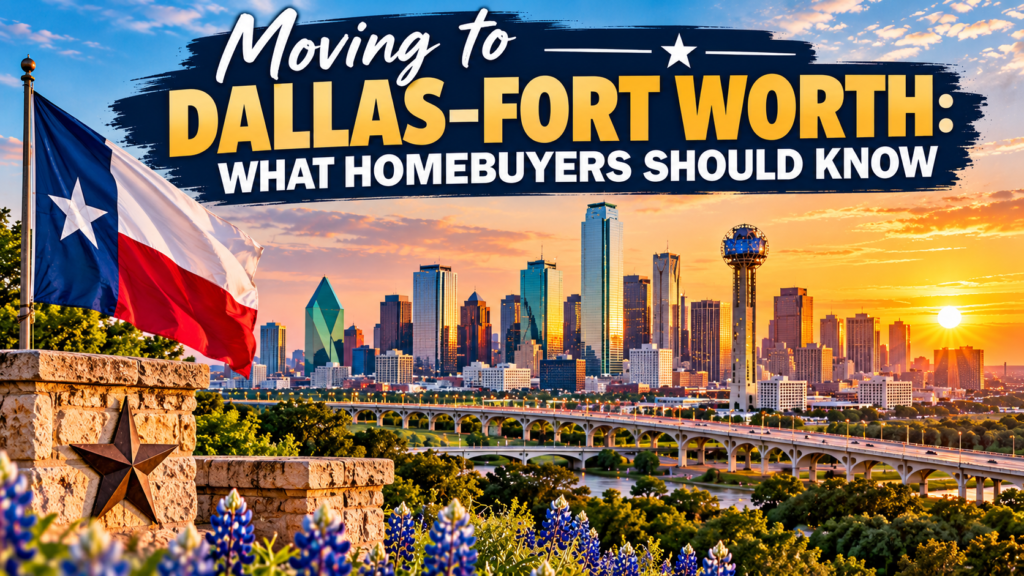
Moving to Dallas–Fort Worth: What Homebuyers Should Know
Deciding to move to the Dallas–Fort Worth metroplex is more than a real estate choice. It’s a change of daily rhythms, neighborhood expectations, and local rituals. If you’re weighing which suburb or pocket of the city fits your life, it helps to understand the community culture you’re stepping into.
This guide focuses on the everyday, human elements that shape life here: how neighbors interact, what people do on weekends, and the traditions and events that make this region feel like home. No hype, just practical observations and tips that will help you find a neighborhood that matches your needs.
What the metroplex culture really looks like
Dallas–Fort Worth is large and polyglot. It isn’t one uniform culture that spreads across every block. Instead, it’s a tangle of smaller communities—each with its own pace and personality.
In the city of Dallas you’ll find denser neighborhoods, taller buildings and pockets where nightlife and arts intersect with longtime residential streets. Fort Worth leans toward a slightly slower pace with an emphasis on western heritage in places, though it also has lively urban districts.
Suburbs range from older, established neighborhoods with mature trees and long-time residents to rapidly expanding master-planned communities designed to provide a “neighborhood-in-a-box” experience with amenities and HOA rules.
Diversity shows up in practical ways
Diversity in the metroplex means you can find an Indian grocery store next to a taqueria, a church with services in multiple languages, and festivals that celebrate holidays from many cultures. That variety is a daily benefit: food options, places of worship, schools with language support, and community events that reflect many traditions.
When scouting neighborhoods, look at nearby grocery options, religious and cultural centers, and community centers. Those practical amenities will indicate whether the area can support the way you live.
Food, parks and local hangouts
Food is a social glue here. Friday night barbecue, taco trucks that become late-night community hubs, and brunch spots where neighbors end up chatting for an hour are all common. Parks and greenways are used year-round for family outings, dog walking and weekend pickup sports.
Don’t discount the value of a nearby park or a well-used coffee shop when choosing a home. They are where people build ties。
How neighborhoods shape everyday life
Neighborhood culture affects simple things: noise levels, how much you need a car, how often you’ll encounter closed sidewalks or construction, and what’s expected of you by neighbors.
If you like greeting people on weekend walks and swapping recipes with neighbors, pick a walkable neighborhood with front porches and low fences. If you prefer space and privacy, a newer exurban subdivision with larger lots will be a better fit.
HOAs and community standards
HOAs are common in newer developments. They can keep yards tidy and amenities maintained, but they also come with rules about paint color, mailboxes, and what you can store in your driveway.
Read HOA covenants carefully before making an offer. The monthly fee and the enforcement style (friendly versus strict) have a practical effect on your daily life and expenses.
Walkability and car culture
The metroplex is still very car-dependent. Public transit exists and is growing, but outside a few central corridors you’ll likely rely on a car for groceries, school runs, and commuting.
Think about your tolerance for traffic and driveway maintenance. If you work downtown and want a shorter commute, narrow your search to neighborhoods that have direct highway access or commuter rail stops. If you prefer not to spend much time behind the wheel, look for neighborhoods with shopping, schools and parks within a short drive—or within walking distance in denser areas.
Community events and local traditions
Community events are where you actually meet people and learn local rhythms. From weekend farmers markets to annual parades, these gatherings help newcomers settle in faster.
Across the region you’ll find a strong calendar of activities—street festivals, neighborhood block parties, concerts in the park and school fundraisers. Those are good places to introduce yourself and learn who does what in your area.
Search local city websites, neighborhood Facebook groups, and Nextdoor for a concentrated list of events. Libraries and community centers often have printed calendars too.
Texas county fairs and what they mean here
County fairs are a major part of local life. They’re not just amusement rides and funnel cake—they’re a place where 4-H projects, livestock shows, and local artisans are showcased. For families, the fair is often the social highlight of the fall.
Attending the fair is a quick way to understand the agricultural roots that still influence food and social practices in many suburbs. It’s also a chance to meet volunteers, teachers and neighbors who are active in youth programs.
Rodeo culture in Texas and Fort Worth’s identity
Rodeo culture in Texas has a strong presence here, particularly in Fort Worth where western heritage is intentionally preserved. Rodeos are community occasions that combine sport, music and local pride.
Even if rodeo isn’t your thing, the events draw a broad cross-section of the community and create a calendar of fairs, parades and fundraisers you’ll want to be aware of. They’re also practical networking spots—small business owners and community organizers often attend rodeos and related events.
Year-round social calendar: what to expect each season
Understanding the seasonal rhythm helps you prepare for the social life you want. People’s calendars change with the weather, and that affects how neighbors interact.
Spring brings festival season. Parks and downtown districts fill with outdoor concerts and markets. Summer is hot and often quieter in the later afternoons; evenings are when the social life picks up. Fall is fair and football season. Winter is mild and full of holiday markets and light displays, with a few cool days that feel genuinely seasonal.
Practical tips for social planning by season
Spring: Expect a lot of outdoor events. If you have allergies, bring tissues and pick a neighborhood with easy access to healthcare.
Summer: Heat affects schedules. Expect more evening and weekend morning activity than midday. Pools, splash pads and indoor recreation centers become social hubs.
Fall: This is peak community engagement—school events, fairs and football tailgates. If you have kids, you’ll likely meet most of your neighbors during this season.
Winter: Use this slower season to build intentional relationships—host a soup night or attend indoor community classes at the rec center.
Schools, youth activities and family life
For many homebuyers, school districts determine neighborhood choice more than anything else. Schools shape the weekly calendar, parent networks, and the age profile of the neighborhood.
Research more than test scores. Look at extracurriculars, bus routes, PTA activity level, and how families interact at school events. A school with active parent volunteers often means a neighborhood with organized block parties, neighborhood kid groups, and informal support networks.
Younger families often choose neighborhoods near parks and elementary schools. Older-empty-nester buyers may prioritize quiet streets and proximity to cultural venues.
Youth sports and lessons
Sports are a social engine. Little League, club soccer, dance studios and swim teams are where parents meet one another and form carpools. Sign-up sheets and volunteer roles are often filled by locals who live nearby and are eager to help newcomers get included.
Practical financial and property considerations that affect community life
Cost of living in the metroplex varies widely. Property taxes, insurance, utility costs and HOA fees all affect how you’ll live and interact with your neighbors.
Higher property taxes can mean better-funded local services, from well-maintained parks to library programming. But they also increase monthly housing costs. Try to estimate total monthly housing expenses, not just your mortgage.
Floodplains, yards and maintenance
Flooding is a practical concern in parts of the region. Always check FEMA flood maps and ask your agent about recent localized flooding history. Yard size affects maintenance time and cost, and many homes here have native grasses and trees that require different upkeep compared to other parts of the country.
If you don’t want to mow every weekend, consider a smaller yard, a home with professional landscape service included through an HOA, or properties with native landscaping that requires less water and trimming.
Insurance and utilities
Homeowners insurance and utilities should factor into your budget. Average winter heating costs are lower than in northern states, but summer utility bills for air conditioning will be a consistent expense.
Get quotes on homeowners, flood and wind insurance early in the process. Those numbers can change which neighborhoods are affordable for you.
Transportation and commuting culture
Traffic patterns shape daily life: school drop-offs, after-school activities and evening social events. Dallas–Fort Worth’s freeway system connects suburbs to urban centers, but rush hour can be long.
If commute time is a priority, map routes at times you would actually travel. A 20-minute drive on a Saturday morning may become 40–60 minutes during weekday rush hour. Some neighborhoods are served by commuter rail or express bus routes, which can be a deciding factor for buyers who prefer not to drive every day.
Carpooling and ride-sharing norms
Carpooling is common for school runs and work commutes. Ridesharing is widely available, but pick-up and drop-off logistics can be tricky around stadiums and downtown events. If you value easy access to ride-share or transit, verify proximity to major routes or stations.
Health, fitness and recreation culture
Gyms, running groups, bike lanes and recreational centers are where people form regular connections. Many neighborhoods have Facebook or Meetup groups centered around running groups, hiking, or dog walking.
Parks and trails are used differently from one neighborhood to the next. Some parks draw families year-round. Others are quiet spaces used primarily for dog walking. Visit at multiple times of day to get a feel for usage patterns.
Faith communities and volunteerism
Religious institutions are often key community anchors. They host potlucks, volunteer drives and youth programs that bring residents together. Even if you’re not religious, faith communities frequently run food pantries and community events that welcome volunteers.
Volunteer opportunities—at schools, animal shelters, food banks and neighborhood associations—are one of the fastest ways to meet people and find practical ways to contribute.
Arts, nightlife and cultural offerings
Both Dallas and Fort Worth have vibrant arts scenes, though they look different. Dallas has downtown performing arts and contemporary galleries. Fort Worth leans into a mix of western art and performing venues with a strong local music scene.
Smaller suburbs host local theater, community choirs and art markets. Weekend cultural events create routine opportunities to meet neighbors in relaxed settings.
How to evaluate a neighborhood before you commit
Beyond checking house condition and school ratings, spend time experiencing the neighborhood on foot and at different times of day. Take a Saturday morning walk, visit local stores, have coffee at the neighborhood cafe and observe who’s out and what activities are happening.
Talk to people—grocery clerks, baristas, and parents at the park. They’ll tell you what commute times are really like, how the neighborhood handles storms, and what community events are must-attend.
Look up local online groups to see how neighbors communicate. Active, civil online groups often mean a level of engagement and organization that can benefit newcomers.
Settling in: practical first steps after you move
Once you’ve closed and are living in your new home, prioritize practical first steps that also help you integrate.
Introduce yourself to immediate neighbors—saying hello matters. Attend the next neighborhood association meeting. Join a library program or a kids’ activity. Volunteer at a school bake sale or a community garden. These are low-effort ways to meet people who will become part of your day-to-day network.
Register for local email lists from the city and follow community pages to stay informed about road closures, safety advisories and event opportunities.
Real-life observations from people who moved here
People who move to the metroplex often mention a few recurring themes. The first is practical friendliness: neighbors may not be your best friends immediately, but they are usually willing to lend a ladder and share a local contractor’s number.
Another common reflection is the role of food in social life. Backyard BBQs, neighborhood potlucks and church suppers are regular social glue—easy ways to meet people without formal planning.
Newcomers also talk about the balancing act with cars and traffic. Choosing a neighborhood that fits your commute tolerance makes a huge difference in long-term satisfaction.
Common mistakes homebuyers make and how to avoid them
One common mistake is underestimating seasonal costs. Cooling costs in the summer can affect your budget more than you expect. Get utility estimates and talk to current residents if possible.
Another mistake is assuming proximity to amenities equals community. A shopping center nearby is convenient, but it doesn’t automatically build neighborhood ties. Look for signs of local programming—rec center classes, library events and church or school activities—which indicate active community life.
Questions to ask your real estate agent about community fit
Ask questions that go beyond listing features. Which neighborhoods have active neighborhood associations? What are the local community events and when do they happen? How do people typically commute, and where do kids go for after-school activities?
Also ask about recent changes near the property—new construction can bring amenities but also noise, traffic and a different neighborhood dynamic.
Helpful local resources to consult
City websites, school district pages and local library calendars are excellent first stops. Neighborhood social media groups provide practical, real-time perspectives about community events and issues.
For events and traditions, search city event calendars for “community events texas” and local fair listings for “texas county fairs.” For rodeo info, community calendars that include “rodeo culture texas” listings can show where and when seasonal events take place. These searches will help you align your social calendar with what the area actually offers.
Final thoughts: how to choose a community that fits you
Finding the right neighborhood in Dallas–Fort Worth is about matching your daily needs and social preferences. If you want an active social life focused on outdoor events and block parties, look for places with parks, active parent groups and a dense event calendar. If privacy and space matter more, prioritize lot size and distance from busy corridors.
Pay attention to local traditions like county fairs and rodeos. They’re not just entertainment—they’re how people connect and how neighbors gauge one another’s values and priorities. Familiarizing yourself with texas county fairs, rodeo culture texas events, community events texas calendars, and broader texas traditions will give you a practical sense of how community life organizes itself here.
Reassuring closing: you can build a life here
Moving to a new region is always an adjustment, but Dallas–Fort Worth gives you many practical pathways to find—or build—the community you want. There are neighborhoods where people lean on each other, and there are places where privacy is the priority. Both are valid choices.
Give yourself time. Attend a few community events, try a volunteer role, and introduce yourself to neighbors. Most people who make the metroplex their home find that small, consistent steps—showing up at the park, joining a class, attending a school function—are what turn a street into a community.
If you’d like, start by making a short list of priorities: commute tolerance, school needs, yard size, and how important an active social calendar is to you. Use that list when touring neighborhoods and you’ll be able to filter not only houses but the lifestyles they support.
Welcome to the process. With practical preparation and a willingness to explore local rituals and events, you’ll find a neighborhood that fits how you want to live here.