Moving to Houston: A Homebuyer’s Guide to the Area
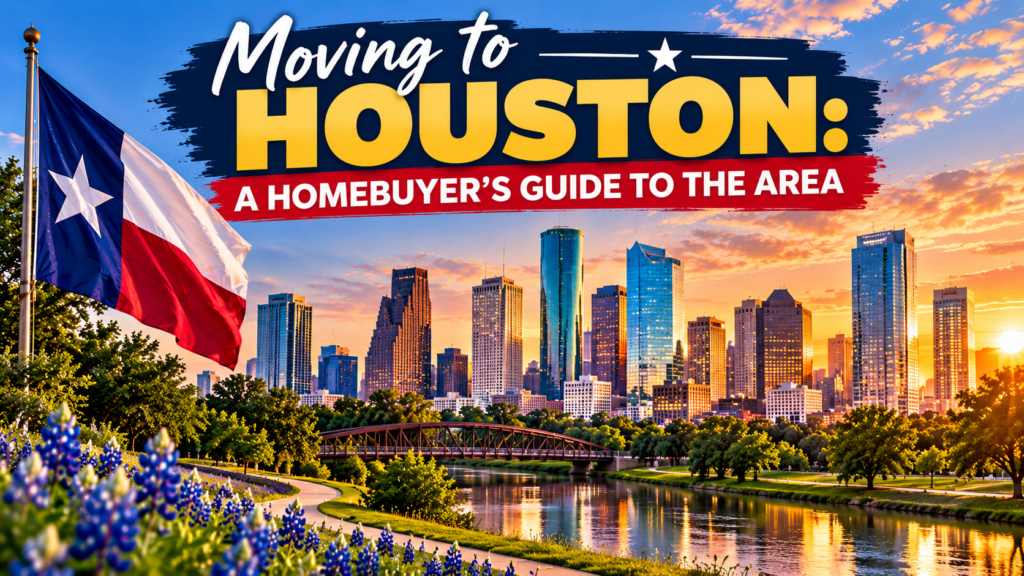
Moving to Houston: Why local culture should factor into your homebuying decision
When you’re looking for a place to call home, square footage and school ratings are important. But community culture—the everyday rhythms, local traditions, and the ways neighbors connect—matters just as much.
Houston is a big, spread-out city with pockets of very different personalities. A house in The Heights feels different from one in Katy or Clear Lake. The right fit is about how you want to live: do you want front-porch chatter and block parties, or a quieter cul-de-sac with planned community events? Understanding local culture will help you choose a neighborhood where you’ll feel plugged in from day one.
What to look for when evaluating neighborhood culture
Visible, everyday signs of community life
Walk the neighborhood at different times—weekday morning, weekday evening, and a weekend afternoon. Notice who’s out and what they’re doing. Are there joggers and dog walkers? Kids on bikes? Neighbors chatting at the mailbox? These small moments give you insight into daily life.
Look for community notice boards, signs for upcoming events, or flyers in local coffee shops. A thriving farmers market or community garden is a clue that neighbors care about local food and interaction.
School and youth activity involvement
Programs for kids are cultural glue. High school football nights, rec-league soccer, and swim teams bring people together. If you have children, visit a school event or practice to see how families engage.
Even if you don’t have kids, strong youth programs often mean parents are active in PTA and neighborhood associations—useful for meeting people.
Religious, ethnic, and cultural centers
Faith communities play a big part in many neighborhoods, but so do cultural centers—Vietnamese associations, Hispanic civic groups, Indian temple activities, and more. These organizations stage festivals and weekly gatherings that shape local life.
Houston’s diversity means you’ll find many such anchors. A neighborhood’s calendar can be a mosaic of different cultures contributing to its character.
Big community anchors: rodeos, fairs, festivals and more
Rodeo culture Texas — what it looks like in Houston
Rodeo culture Texas blends livestock shows, concerts, competition, and fundraising. The Houston Livestock Show and Rodeo is the city’s biggest annual gathering. It’s part sport, part music festival, part county fair. You’ll find families who’ve made rodeo attendance a multi-generational ritual.
If you’re new here, try going to a rodeo performance or a fair concert with friends for the full experience. It’s crowded and noisy, but also a snapshot of how many Houstonians gather and celebrate together.
Texas county fairs around Houston
Outside the big city events, texas county fairs are staples in nearby suburbs. Fort Bend County, Montgomery County, Brazoria County and others host fairs with livestock shows, 4-H exhibits, baking contests and carnival rides. These are local, down-to-earth places to meet neighbors and see community pride on display.
County fairs are also an excellent way to learn local values—youth achievement, volunteerism, and a taste for friendly competition. They’re family-friendly, affordable, and community-focused.
Community events texas offers year-round
Beyond rodeo and fairs, Houston’s calendar is full: art crawls, food truck parks, cultural festivals, neighborhood garage sales, and farmer’s markets. Community events texas-wide often revolve around seasonal markers—spring festivals, summer concert series, and fall block parties.
Buy a local event calendar or follow neighborhood social media groups. These small, recurring events are where neighbors meet and friendships form.
Everyday life: what you’ll actually do in Houston neighborhoods
Eating and socializing
Food is a common point of connection. Houston’s restaurants and food trucks reflect the city’s diversity—Tex-Mex, barbecue, Vietnamese, Indian, Nigerian and more. Casual dining experiences—patios, taco trucks, and neighborhood cafes—are where people linger and chat.
Block potlucks, church dinners, and tailgate gatherings are practical rituals. If you like hosting, a neighborhood that enjoys backyard barbecues and regular get-togethers will reward you.
Recreation and outdoor space
Parks and greenways matter. Memorial Park and Buffalo Bayou are big draws, but many neighborhoods have community pools, pocket parks, and walking trails. Suburban master-planned communities like The Woodlands or Sugar Land are designed around parks and events, while inner neighborhoods often trade green space for walkability and local shops.
Consider the role outdoor amenities should play in your lifestyle—are weekend runs and dog park visits part of your routine? If so, look for neighborhoods where those activities are easy.
Arts, music, and museums
Houston’s Museum District and music venues create a steady rhythm of cultural events. Neighborhood galleries and local music nights in areas like Midtown and Montrose help people who value art and nightlife find community. If you want a creative crowd, scope out where local shows and gallery openings happen.
Practical homebuying considerations tied to culture
Flood risk and preparation
Houston’s bayous and flat terrain mean flooding is a real concern in many neighborhoods. Past storms have reshaped how Houstonians think about homes and yards.
Check FEMA flood maps, local floodplain data, and the home’s history of water damage before buying. Ask sellers for past flood claims and look at elevation and drainage on the property. Sump pumps, finished elevations and properly graded yards matter.
Even if a house isn’t in a mapped floodplain, many homeowners choose to buy flood insurance. Factor the cost into your budget and plan for storm-season readiness like shutters, sandbags and safe storage for documents.
Foundation and soil considerations
Houston’s clay soils can cause foundation movement over time. Older homes may have pier-and-beam systems; newer ones are often slab-on-grade. Have a qualified inspector assess the foundation and look for signs of shifting, like uneven doors and cracks.
Minor foundation work is common, but significant problems are costly. Know what you’re getting into before you commit.
HOAs, deed restrictions and neighborhood rules
Many Houston suburbs and some inner neighborhoods have homeowners associations or deed restrictions. These rules affect yard maintenance, parking, fence installations and exterior paint choices. For some buyers, a strict HOA is reassuring; for others it feels restrictive.
Get copies of CCRs (Covenants, Conditions & Restrictions), recent HOA budgets, and minutes from meetings to understand neighborhood priorities and any upcoming assessments.
Property taxes and utilities
Texas has no state income tax, but property taxes are a significant local revenue source. Compare property tax rates across different counties and school districts. They’ll affect your monthly budget more than you might expect.
Electricity use in Houston is high in summer. Check insulation, HVAC age, and utility bills during your walk-through to estimate running costs. In many areas of Texas you can choose your electricity provider; look into plans for rates and contract terms when moving in.
Commute and transportation
Houston is car-centric, and commute times can vary widely. Check drive times from potential homes to your work during rush hour, not just on a quiet Saturday. Consider access to major highways (I-10, I-45, I-69/59, Beltway 8, 610) and alternate routes.
If you prefer transit, look for neighborhoods with decent access to buses or park-and-ride options. If biking is your choice, evaluate bike lanes and safe routes for daily travel.
How to find and join community events once you move
Use neighborhood digital tools
Neighborhood Facebook groups, Nextdoor, and local listservs are immediate ways to see what’s happening. These platforms post everything from lost-pet notices to block-party invites.
Don’t be a lurker forever. Introduce yourself, ask questions, and RSVP to a few low-effort events like library talks or farmers markets to start meeting people.
Volunteer to get in quickly
Volunteering at a festival, food bank, or school event is fast-track socializing. It puts you side-by-side with neighbors working toward a common cause.
Many community events texas hosts rely on volunteers. It’s a practical way to learn local rhythms and meet people without the awkwardness of cold introductions.
Attend recurring neighborhood meetings and classes
Community center classes, HOA meetings, and library story times are predictable, repeatable places to see the same faces. Commit to one recurring activity and you’ll be recognized in short order.
Support local small businesses
Regularly grabbing coffee, attending trivia nights, or eating at neighborhood restaurants builds casual relationships. Business owners often act as community connectors—they know who’s moving in and what’s happening locally.
Real-life observations from residents who made the move
“We chose our neighborhood because of the Saturday morning farmer’s market. Within a month we knew half the vendors and several neighbors.”
“After moving in, we watched the city’s parade and found a block of young families who do monthly potlucks. Our kids made instant friends.”
“We didn’t fully grasp the flooding risk until we saw how the neighborhood reacted to a big rain. The neighbors coordinate sandbags and help each other clear drains—real, practical support.”
These are common stories. Cultural fit often becomes visible through small, repeat actions: who shows up for a storm, who organizes the trash pickup, who hosts holiday gatherings.
Tips for newcomers settling in without pressure
Take it slow. Start with low-commitment activities: attend a farmers market, go to a school event, or join a Meetup group aligned with a hobby.
Introduce yourself to immediate neighbors with a simple note or treat. Many people appreciate small gestures more than formal introductions.
Bring your real interests. If you like gardening, ask about community garden plots. If you like music, check the local open-mic nights. Shared interests build genuine connections faster than forced friendliness.
Checklist for touring neighborhoods with culture in mind
– Visit at multiple times of day and on a weekend; observe activity levels and noise.
– Talk to shop owners and parents at parks; they often give honest impressions.
– Check community calendars for recurring events and festivals.
– Ask real estate agents for neighborhood association meeting minutes and recent event flyers.
– Verify practical issues: flood history, HOA documents, school calendars, and commute times.
Closing: settling into Houston’s community fabric
Choosing a home in Houston is about more than a roof. It’s choosing a community rhythm that fits your lifestyle. Whether you’re drawn to the big spectacle of rodeo culture Texas and county fairs, the steady pull of church potlucks, the vibrant diversity of international food and festivals, or the calm routine of a suburban rec league—Houston has neighborhoods that match.
Start small, do the practical checks, and lean into the local events that interest you. Community life builds gradually through repeated, simple interactions: a wave while walking the dog, volunteering at a festival, or showing up for a neighborhood meeting. Over time those small moments add up into a supportive, familiar network.
If you keep both practicalities (flood risk, foundation, taxes) and culture (events, neighbors, local traditions) on your checklist, you’ll find a place that feels like home. Welcome to your search—Houston’s communities are varied and welcoming, and there’s a spot here where you’ll belong.