What Buyers Should Know About Easements on Texas Property
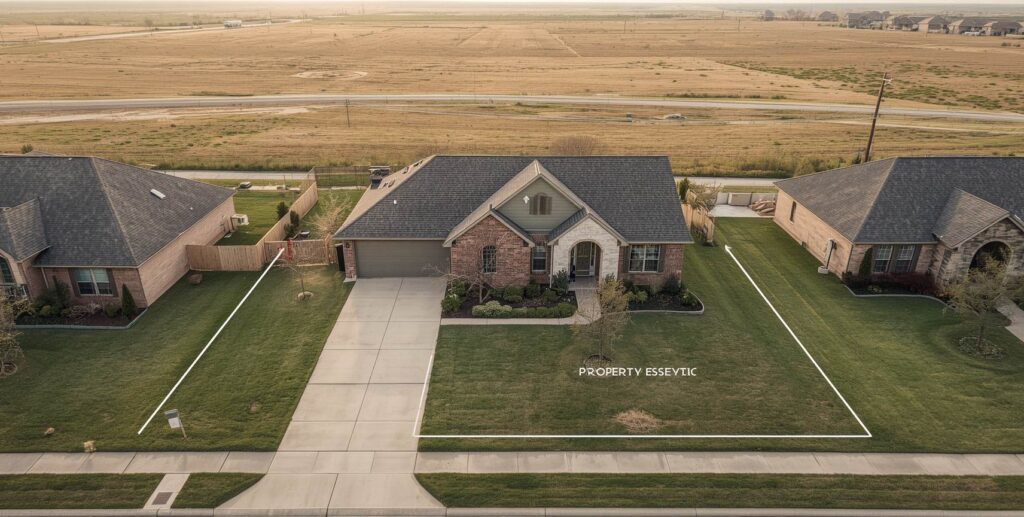
What Buyers Should Know About Easements on Texas Property
If you’re thinking about moving to Texas, understanding easements on a property is one of the most practical things you can do before closing. Easements affect how you can use the land, where you can build, and who has the legal right to cross or access part of your yard. In Texas real estate, easements are common — utility easements along streets, shared driveways in older neighborhoods, drainage swales on rural acreage — and they’re usually manageable if you know what to look for.
What is an easement?
An easement is a legal right that lets someone other than the owner use a portion of the property for a specific purpose. That right is attached to the property deed and can limit your control over a strip of land even though you own the surface. Easements can be small and unobtrusive, or they can be significant enough to shape where you place a house or driveway.
Two basic categories are useful to know: an easement appurtenant benefits another parcel of land (for example, an older lot that uses a neighbor’s driveway), while an easement in gross benefits a person or organization (for example, a utility company). Utility easements in Texas are almost always easements in gross and can be transferred if the utility changes hands.
Common types of easements you’ll see in Texas
Texas properties show up with a variety of easements. Some you’ll see often, others mostly in rural areas. Here are the ones buyers encounter most frequently:
Utility easements
Utility easements (and yes, “utility easements Texas” is a phrase you’ll see a lot) allow companies to install and maintain wires, poles, pipelines, fiber, water lines, and sewer pipes. These easements are usually along street frontages or along lot lines and can range from a narrow strip to a wide corridor for high-capacity lines.
Practically, that means you generally cannot build permanent structures in those areas, and the utility company has the right to trim trees or remove landscaping that interferes with its equipment. Always call 811 before digging—state law requires utility locates to prevent damage to underground lines.
Ingress and egress easements (driveway and access)
These give a neighbor or the public the right to pass over a portion of your land for access. Shared-driveway easements are very common in older subdivisions and rural properties where road frontage is limited. The wording in the deed should spell out who is responsible for maintenance; if it doesn’t, you may end up negotiating with neighbors later.
Drainage and stormwater easements
Especially in newer developments and in parts of Texas prone to heavy rain, developers reserve easements for drainage channels, retention ponds, and swales. You can often landscape these areas lightly, but you can’t block flow or alter the grade without permission from the entity that owns the easement.
Pipeline, oil and gas, and mineral-related easements
In Texas, easements granting pipeline or energy companies access to install and maintain facilities are common on rural land. These easements typically include strict rules about what you can plant, build, or store above them. If you’re looking at acreage, check for pipeline markers and note that companies expect unimpeded access for inspection and repairs.
Conservation easements
Conservation easements permanently restrict development to preserve natural, agricultural, or scenic values. They are often recorded with the deed and transfer with the property; they can affect property value and the types of improvements you can make. These are not the same as a utility easement and are usually intentionally granted by the owner to a land trust or governmental body.
How easements are created in Texas
Easements can be created several ways: through a written agreement included in a deed; by dedication in a plat when a subdivision is platted; by necessity (to access a landlocked parcel); or by long-term use — called a prescriptive easement.
Prescriptive easements and adverse-use claims are real in Texas. If someone openly and continuously uses part of your land without permission for the statutory period, they may later claim an easement. The rules are technical, so if you see a neighbor using a path across your land, address it early.
How easements show up during a home purchase
When you buy a property in Texas, easements usually appear on the title commitment or public plat. They’ll also show on a new survey. Title companies often include standard exceptions for recorded easements in the title insurance policy, so you need to read the commitment and talk to your title officer about what those exceptions mean.
Key practical steps:
First, order or review a current survey. A survey will show the physical location and dimensions of recorded easements — essential when you’re planning a fence, pool, or house placement.
Second, read the title commitment carefully. Easements are often listed as exceptions. If the easement is unrecorded or created by use, it might not appear unless the survey discloses it.
Third, review HOA or municipal plats and covenants. Some subdivisions have blanket easements for utilities or drainage that are included in covenants and restrictions.
What easements mean for building and landscaping
Most easements limit your right to place permanent structures in the easement area. That means no homes, sheds, or sometimes even substantial landscaping like large trees where roots could interfere with pipes. Small, removable items—like above-ground planters—are often tolerated, but they can be removed by the easement holder without compensation if they interfere with access.
For building projects, expect to coordinate with the easement holder. A utility provider may allow certain uses but require advance notice for excavations or heavy equipment. If you plan a major improvement, ask for an easement encroachment agreement or written permission before you start.
Practical considerations for rural vs. urban buyers
In urban and suburban Texas, easements are usually narrow and relate to utilities, sidewalks, and drainage. They’re visible on plats and rarely create surprises if you read the plat and get a survey.
On rural acreage, easements can be far more consequential. Pipelines, pasture access, shared private roads, and agricultural waterline easements can run for miles. If you’re buying land for a barn, home site, or private lake, walk the property, look for markers, and talk to neighbors to learn how easements are used day to day.
How to handle easements when negotiating a purchase
If an easement limits what you want to do with the property, you can address it in the contract. Common options include:
Asking the seller to provide a survey showing the easement and its dimensions.
Requesting a release or modification if the easement is no longer used — this is sometimes possible with private easement holders but rare with utilities.
Asking for a credit or asking the seller to resolve encroachments before closing.
Getting title insurance endorsements or a survey exception removed so you’re not surprised post-closing. Title companies can issue endorsements addressing certain easement risks, but expect additional cost.
Common easement headaches and realistic fixes
Shared-driveway disputes: Make sure there’s a written maintenance agreement. If not, insist on clarifying who pays for repairs before you buy.
Unclear maintenance responsibilities: If an easement allows access but doesn’t say who maintains the area, that ambiguity can lead to arguments. Clarify it in the purchase contract or resolve it with neighbors.
Unexpected utility lines: If a new survey reveals a utility easement where you intended to build, you’ll need to redesign or ask the utility about relocation — the latter can be expensive and unlikely.
What to do if you discover an easement problem after buying
First, gather documentation: the recorded easement, survey, title policy, and any correspondence with the easement holder. Second, try to resolve disputes amicably — a phone call or written note that explains the issue often works.
If a neighbor is claiming use across your land, ask for written proof of their easement right. If they assert a prescriptive easement, consult a Texas real estate attorney — prescriptive claims have strict requirements and timelines.
For urgent issues like utility access or safety hazards, contact the utility or local municipality; they often have statutory rights and will act quickly.
Practical checklist for buyers interested in Texas property
Get a current, certified survey and review it against the plat.
Read the title commitment and ask the title company to explain any easement exceptions.
Talk to neighbors and drive the boundaries yourself to see how easements are being used.
Ask sellers for written documentation of any maintenance agreements related to shared driveways or private roads.
Call 811 before any digging and ask the utility company for locating service and easement details if you plan improvements.
Consider hiring a local real estate attorney if easements are complex — it can save time and money down the road.
Real-life observation: easements are normal — and usually manageable
From small town cul-de-sacs to acreage outside Austin, easements are a fact of life in Texas property ownership. In my experience talking with buyers and agents across the state, most easements are routine: a narrow utility strip that requires no special attention, a shared driveway with an informal maintenance habit, or a drainage swale that affects only a corner of the lot.
Where problems arise, it’s usually because the paperwork was skimmed or the survey wasn’t ordered. Taking a few extra steps during the buying process prevents surprises later. If you do find a problem, the path forward is usually negotiation, a document fix, or, in rare cases, legal help.
Closing thoughts — practical reassurance for buyers
Easements don’t have to be scary. They are legal instruments designed to balance private ownership with public or neighborly needs. For most buyers moving to Texas, taking practical steps — ordering a survey, reviewing the title commitment, asking clear questions, and calling 811 before digging — will keep easement issues from becoming roadblocks.
If you’re planning to build, farm, or significantly change a property, give easements early attention in your checklist. When uncertain, a local title officer, surveyor, or Texas real estate attorney can translate the legal language into plain, actionable advice. With a little upfront work you can buy confidently and enjoy your new Texas property without surprises.